

Table of Contents
- Why Verifying Ethical Coffee Sourcing Matters
- Understanding Third-Party Certifications
- How to Spot Greenwashing in Coffee Brands
- Reading Coffee Labels for Traceability
- Direct Trade vs. Certification: What's the Difference?
- Best Coffee Subscriptions for Social Impact
- Verification Tools and Supply Chain Transparency
- Your Ethical Coffee Verification Checklist
- Frequently Asked Questions
Last Updated: September 22, 2026
Why Verifying Ethical Coffee Sourcing Matters
When you buy coffee, you're supporting a supply chain from farmer to cup. Understanding what's actually ethical versus what just looks ethical makes all the difference, which is why you need to verify ethical coffee sourcing.
Many consumers assume a label means responsible sourcing, but labels alone don't tell the full story. Some certifications carry real weight; others are marketing tactics.
Knowing how to verify ethical coffee sourcing yourself puts the real power in your hands.
This guide teaches you to spot genuine ethical sourcing: what certifications mean, how to read labels for traceability, and how to identify greenwashing.
Understanding Third-Party Certifications
Third-party certifications are independent organizations that audit farms and supply chains before labels appear. But not all certifications hold the same standard.
A legitimate certification requires on-site audits, transparent pricing disclosure, and measurable impact. The auditing organization has no financial stake in the outcome, independence matters.
Fair Trade Certification Requirements
Fair Trade certification focuses on farmer compensation and working conditions, requiring minimum prices, worker rights, and community investment (Fairtrade standards).
The Fair Trade premium goes directly to cooperatives for education, healthcare, and infrastructure. Fair Trade also prohibits child labor and requires safe working conditions.
The Fair Trade label means a third party verified these practices through audit. But Fair Trade alone doesn't guarantee environmental sustainability or highest quality.
Other Major Certifications
Organic certification verifies no synthetic pesticides or fertilizers. Shade-grown certification confirms coffee grows under native tree canopy, protecting bird habitat. Rainforest Alliance audits environmental conservation, worker welfare, and profitability. Bird Friendly certification is the strictest environmental standard, requiring shade-grown coffee with native forest structure.
Certification costs money to obtain and maintain. Smaller farms sometimes skip it not from unethical practices but from cost constraints, where direct trade relationships become valuable.
How to Spot Greenwashing in Coffee Brands
Greenwashing happens when a company uses vague language or misleading imagery to appear more ethical than it is. Coffee marketing is full of it.
Red flags include "sustainably sourced" with no certification, lush forest imagery for industrial plantation coffee, and "supporting farmers" claims without price transparency or third-party verification.
Legitimate ethical brands name farms specifically, disclose farmer prices, link to audit reports, and explain what "ethical" means for their coffee.
A beautiful label doesn't equal ethical sourcing.
Look for brands that publish sourcing data publicly, link to verifiable certifications, and name specific farmers or cooperatives, not vague "farmer partners."
Reading Coffee Labels for Traceability
A coffee label should show origin and processing method. More specific information means greater traceability.
Start with origin. Single-origin coffees are more traceable than blends. "Yirgacheffe, Ethiopia" is better than "Ethiopia," which is better than "African blend."

Look for the roast date. Beans roasted more than three months ago lose complexity. A roast date shows coffee is roasted to order, not warehouse inventory.
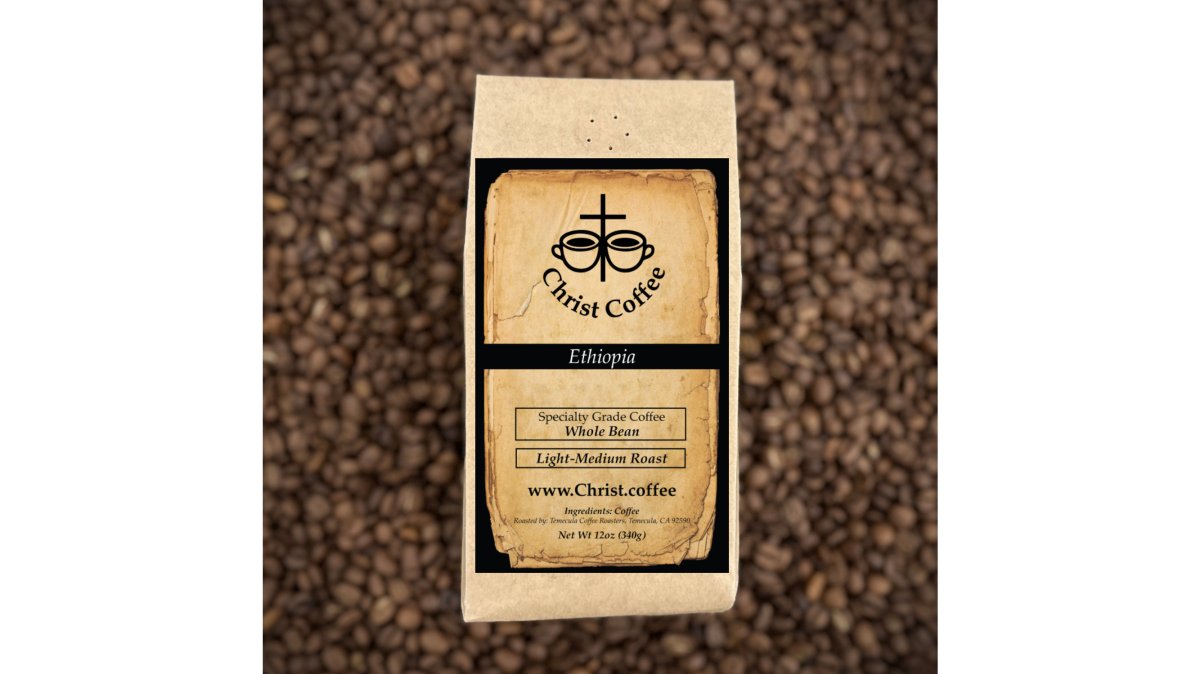
What Roast Dates and Altitude Tell You
Coffee roasted within two weeks tastes noticeably better than coffee roasted months ago. Published roast dates signal confidence and quality commitment.
Altitude affects flavor development. Beans above 1,200 meters produce denser, more complex flavors and score higher in specialty competitions. Altitude on labels signals quality focus.
Processing Methods and Sustainability
Processing method affects flavor and environmental impact. Washed coffees require significant water; natural process uses less but generates more waste; honey process splits the difference.
Sustainable processing means responsible water management and composting pulp instead of dumping it. Processing method labels suggest environmental awareness.
Direct Trade vs. Certification: What's the Difference?
Direct trade and certification are different approaches to ethical sourcing, each solving different problems with different trade-offs.
How Direct Trade Works
In direct trade, a roaster buys directly from farmers or cooperatives, cutting out middlemen. The roaster visits the farm, builds multi-year relationships, and commits to volume at negotiated prices, usually well above commodity rates.
Direct trade advantages: roasters verify conditions firsthand, farmers receive higher prices with fewer intermediaries, and relationships improve quality through direct discussion. Roasters select specific lots rather than bulk commodity.
Direct trade has significant limitations: no industry standard exists. A roaster could pay $2 or $4 per pound with no verification. One farm visit or a 10-year partnership both qualify. The term is unregulated and unaudited.
Direct trade requires resources and expertise. Smaller or newer roasters often can't afford farm travel or large minimums, so it's more common among established specialty roasters.
How Certification Works
Certifications like Fair Trade, Organic, Rainforest Alliance, and Bird Friendly are third-party verification systems with independent audits renewed annually or every few years.
Certifications offer transparency through standardization. A Fair Trade label means the farm passed audit, paid minimum wages, invested in community, and met environmental standards. Standards are published and consistent. You can verify independently.
Certifications provide accountability: violations can revoke certification, incentivizing compliance. Consumers verify claims without visiting farms.
Certifications have costs: farms pay hundreds to thousands annually, often passed to consumers. Small farms skip certification due to cost, not ethics. Certifications verify minimum standards, not excellence.
The Quality and Price Trade-Off
Direct trade coffees often cost more ($16-$20/lb) than certified coffees ($12-$16/lb) because roasters pay premiums and invest in relationships.
Higher price doesn't guarantee quality or better compensation. Some direct trade roasters mark up aggressively for marketing; some Fair Trade coffees offer better value. Price reflects business model, not necessarily quality.
To evaluate direct trade pricing, ask: What per-pound price to farmers? How does it compare to Fair Trade minimums?
When to Trust Direct Trade Claims
Direct trade is credible when roasters provide: named farms/cooperatives (not "farmer partners"), pricing transparency (per-pound or retail %), relationship longevity, verifiable details (location, altitude, processing), and farmer attribution (name, photo, video).
When Certification Matters More
Certification is more valuable when: you want independent verification, you care about specific standards (Rainforest Alliance for environment, Fair Trade for worker compensation), you want accountability (enforcement mechanisms), you're buying from unfamiliar roasters, or you want to support smaller farms that can't afford direct trade.
The Best Approach: Direct Trade Plus Certification
Look for brands mentioning both. Example: "We work directly with Yirgacheffe Cooperative (Fair Trade certified), purchasing for eight years at $3.50/lb (40% above Fair Trade minimum)." This combines transparency with credibility.
Best Coffee Subscriptions for Social Impact
When evaluating subscriptions, check whether brands disclose what percentage reaches farmers and publish sourcing data and certification details.
Verification Tools and Supply Chain Transparency
Digital traceability tools verify ethical claims beyond labels: QR codes, blockchain tracking, and transparency databases. Understanding each, and spotting marketing theater, is essential.
QR Codes and Farm-Level Data
Many brands print QR codes linking to farm information, pricing, or audit reports. Scans should show farmer/cooperative name, region, altitude, certification status, and price paid.
Blockchain and Immutable Records
Blockchain creates permanent, tamper-proof records of coffee's journey with timestamps and signatures. In theory, this prevents fraud.
Transparency Databases and Sourcing Platforms
Some roasters and industry groups maintain searchable databases showing pricing, certification, and sourcing details by farm name, region, or certification type.
How to Spot Fake Digital Verification
Red flags: QR codes linking only to roaster websites, blockchain claims without published IDs, "transparency databases" the roaster controls, farm photos without pricing/audits, platforms requiring trust instead of third-party links.
Combining Digital Tools with Physical Label Checks
Digital traceability should complement, not replace, the physical label checks outlined earlier in this guide. Before you even scan a QR code, verify that the bag lists a specific origin, roast date, altitude, and certification logo. Then use the QR code or transparency database to dig deeper into pricing, farm names, and audit details.
Your Ethical Coffee Verification Checklist
Use this checklist when evaluating a coffee brand:
- Does the label list a specific country or region, not just "African blend" or "Latin American"?
- Is a roast date printed on the bag? Is it within the last three weeks?
- Does the label mention altitude, processing method, or farm name?
- Are third-party certifications visible and verifiable (Fair Trade, Organic, Rainforest Alliance, Bird Friendly)?
- Does the brand's website disclose the price paid to farmers?
- Can you find independent audit reports or certification documents?
- Does the brand explain what "ethical" means for this specific coffee?
- Is the language specific ("Yirgacheffe cooperative in Ethiopia") or vague ("ethically sourced")?
- Does the brand mention rescue-focused or community impact organizations by name?
- Can you identify whether the coffee is direct trade, certified, or both?
If a brand checks most of these boxes, you're likely buying genuine ethical coffee. If it checks few, you're probably buying marketing.
Frequently Asked Questions
What does Fair Trade certification actually guarantee on a coffee label?
Fair Trade certification requires that farmers receive a minimum price for their coffee, regardless of market fluctuations, and meet labor and environmental standards verified by third-party audits. The Fair Trade USA label guarantees that coffee meets these standards, though the specific price floor and requirements vary by certifier. Always look for the certification logo and check the certifier's name on the bag.
How can I tell the difference between greenwashing and genuine ethical sourcing in coffee brands?
Genuine ethical coffee brands provide specific details: farm names or cooperative identities, roast dates, altitude, processing methods, and verifiable certifications from recognized organizations. Greenwashing uses vague terms like 'responsibly sourced' or 'ethically grown' without supporting evidence, certification logos, or supply chain transparency. Check if the brand publishes third-party audit reports or traceability information online, legitimate brands make this accessible.
What should I look for on a coffee label to verify traceability?
Look for the roast date, origin country or region, altitude, processing method, and farmer or cooperative names. Single-origin coffees with specific farm or cooperative information offer better traceability than blends. The presence of a third-party certification logo (Fair Trade USA, Rainforest Alliance, B Corp) adds credibility. If this information is missing, contact the roaster directly to ask about their supply chain before buying.
How do I research whether a coffee company's rescue partners are legitimate?
Search for the organization's name plus 'charity registration' or visit charity databases like Charity Navigator or GiveWell. Legitimate rescue organizations publish annual reports, financial disclosures, and impact statements on their websites. Check if the coffee brand links directly to their partner organizations' sites and provides specific information about how donations are used. Verify that the organization has a registered 501(c)(3) status and transparent financial practices.