

Table of Contents
- What Defines Specialty Coffee and Why It Costs More
- Specialty Coffee vs Grocery Store Coffee: The Real Differences
- Benefits of Fresh Roasted Coffee for Your Daily Brew
- Cost Per Cup of Specialty Coffee: Breaking Down the Economics
- Ethical Sourcing and the Sustainability Premium
- The Diminishing Returns Curve: When More Expensive Isn't Better
- How to Taste the Difference and Know You're Getting Value
- Is Specialty Coffee Worth It for You?
Last Updated: August 23, 2026
What Defines Specialty Coffee and Why It Costs More
Specialty coffee scores 80 or higher on a standardized 100-point scale, evaluated by trained professionals assessing bean appearance and flavor complexity (sca.coffee). It comes from specific origins, is handled with meticulous care, and is roasted in small batches to highlight unique characteristics.
The cost difference stems from traceability. Specialty roasters know exactly where their beans originate, often a single farm or micro-lot, and pay double or triple the commodity price to source directly from farmers. They invest in equipment, training, and time to develop roast profiles that bring out each coffee's best qualities. Unlike commercial operations roasting massive quantities on schedule, specialty roasters typically roast to order, ensuring fresher coffee but requiring more labor and overhead.
At Christ Coffee, coffees are roasted fresh in small batches only after you order, ensuring peak quality. Each origin is sourced from farms committed to sustainable, chemical-free practices. Small-batch roasters can't achieve economies of scale that massive operations enjoy, a roaster processing 500 pounds daily spreads fixed costs across far fewer units than one processing 50,000 pounds. That's the trade-off for quality and freshness.
Specialty Coffee vs Grocery Store Coffee: The Real Differences
Quality Scoring and Cupping Standards
Specialty coffee undergoes formal cupping, a standardized tasting protocol where trained professionals brew coffee under identical conditions and score it across multiple dimensions: fragrance, aroma, flavor, aftertaste, acidity, body, balance, uniformity, and overall impression. A score of 80 or above qualifies as specialty. Grocery store coffee is rarely cupped at all.
Cupping creates accountability. A roaster claiming specialty status must back it with documented scores. Commodity coffee is often blended from dozens of countries, sometimes including lower-grade beans, prioritizing consistency and volume over distinction. A coffee scoring 82 shows clean, balanced flavors; one scoring 88 demonstrates exceptional clarity with multiple distinct notes and refined finish. When you buy specialty coffee, you're buying a product evaluated against a measurable standard.
Roast Date and Freshness Impact
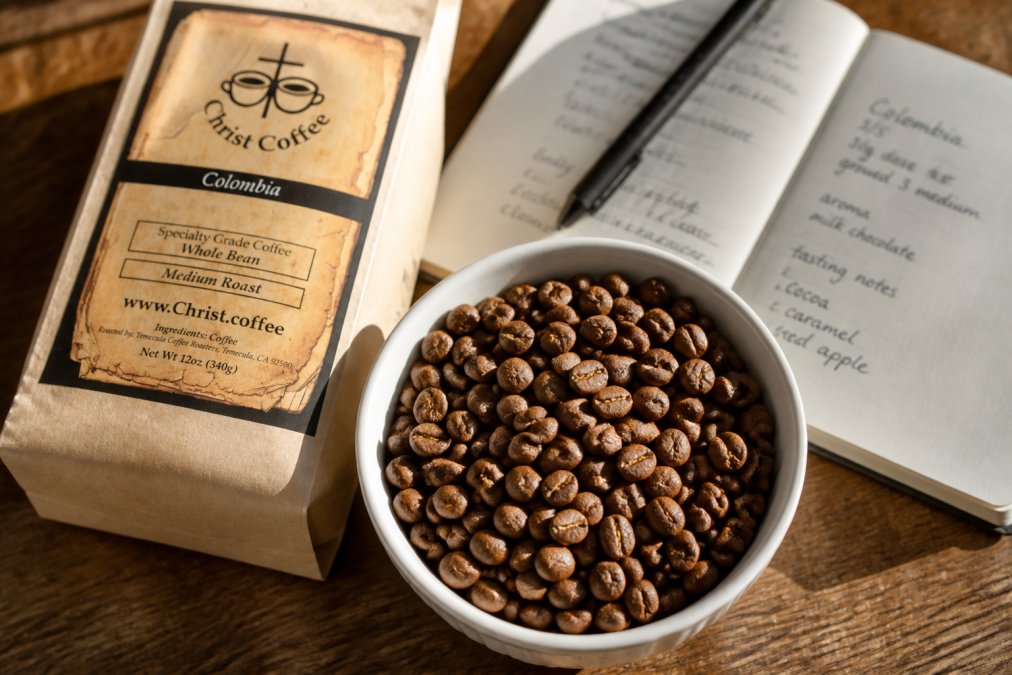
Coffee loses flavor characteristics immediately after roasting. Within the first week, it's at peak quality; by two weeks, flavor starts flattening; by a month, much vibrancy is gone; by three months, it tastes stale and one-dimensional (peer-reviewed research).
Grocery store coffee typically sits in warehouses for weeks or months, then on shelves for weeks more. By the time you brew it, the coffee may be three to six months old. You're tasting the baseline bean, not the nuanced characteristics intended.
Specialty roasters solve this by roasting to order. Christ Coffee roasts your beans only after you order, shipping within days, typically arriving 5-7 days after roast. Your coffee remains in its optimal flavor window. The difference between two-week-old specialty coffee and three-month-old grocery store coffee is dramatic: specialty coffee has brightness, clarity, and multiple flavor layers; grocery store coffee tastes flat and generic.
Benefits of Fresh Roasted Coffee for Your Daily Brew
Fresh roasted coffee transforms the brewing experience. First is flavor clarity: each origin's unique characteristics come through distinctly. Ethiopia tastes bright and floral; Colombia tastes balanced with chocolate undertones; Bali Blue tastes full-bodied with dark chocolate notes. Stale coffee blurs these distinctions into generic taste.

Second is consistency. Fresh coffee has stable flavor compounds, making the brewing process predictable. The same grind size and water temperature produce similar results brew to brew. With older coffee, you fight degradation, meaning the same technique might produce different results.
Fresh coffee also has real, complex aroma, not the flat smell of stale beans. When you open a bag of fresh specialty coffee, you smell the origin. This sensory experience engages multiple senses, not just taste. For people who care about their morning ritual, fresh roasted coffee elevates the entire experience. At Christ Coffee, this philosophy is central: coffee arrives fresh with roast dates on every bag, reflecting freshness in the brewing experience.
Cost Per Cup of Specialty Coffee: Breaking Down the Economics
A typical specialty coffee bag costs $25-30 for 12 ounces, roughly $2-2.50 per ounce. A standard cup requires about 0.5 ounces of beans, so bean cost per cup is roughly $1-1.25 (sca.coffee).
Grocery store coffee costs $5-8 for 12 ounces, roughly $0.42-0.67 per ounce, with bean cost per cup around $0.21-0.34. Specialty coffee costs three to four times more per cup on the surface, but this misses critical factors. Specialty coffee is fresher and more flavorful, so you need less to achieve satisfaction. Second, you actually enjoy the cup more, value isn't just caffeine, it's experience. Third, if you already have quality equipment, the incremental cost is just beans.
A realistic comparison: one specialty coffee daily at $1.25 per cup costs $37.50 monthly; one grocery store coffee daily at $0.30 per cup costs $9 monthly. The difference is $28.50 monthly, or roughly $340 annually. For many people, that's affordable; for others, it's not.
Subscription vs. One-Time Purchases
Subscriptions typically offer 5-10% discounts in exchange for regular deliveries. One-time purchases cost more per bag but give complete control. Christ Coffee offers both: individual bags at $29.99 for single origins; the Single Origin Saving Blend Bundle at $76.49 for three origins (roughly $25.50 per bag); the Premium Rescue Blend Bundle at $66.29 for three signature blends.

Subscriptions save money over time if you brew daily. One-time purchases may be more economical if you brew occasionally, since specialty coffee stays fresh about three weeks after opening.
Equipment Investment vs. Bean Quality
Bad equipment ruins good beans. A blade grinder pulverizes beans unevenly; improper water temperature wastes specialty coffee. Good equipment can make mediocre beans acceptable.
If you're using instant coffee or basic automatic drip, upgrade your brewing method first. A manual pour-over, French press, or AeroPress costs $20-50 and dramatically improves any coffee. A good burr grinder costs $30-80 and is essential.
Once you have decent equipment, specialty beans make sense. The practical recommendation: invest in a burr grinder and brewing method first, then buy specialty coffee. Total investment might be $100-150 for equipment plus $30-40 for beans.
| Investment Component | Typical Cost | Impact on Flavor |
|---|---|---|
| Burr grinder | $30-80 | Essential, determines consistency |
| Brewing method (pour-over, French press, AeroPress) | $20-50 | Critical, affects extraction |
| Specialty beans (per bag) | $25-30 | Significant, provides flavor potential |
| Water quality/filtration | $10-50 | Moderate, removes chlorine/minerals |
Ethical Sourcing and the Sustainability Premium
Specialty coffee almost always includes ethical sourcing. When roasters pay 2-3 times the commodity price, much of that reaches farmers. Direct trade relationships mean roasters buy directly from farmers, cutting out middlemen with transparency built in.
Commodity coffee farming often perpetuates poverty. Farmers are price-takers with no control over price. During commodity crashes, farmers can't cover costs. Direct relationships and specialty pricing stabilize farmer income and make sustainable practices economically viable.
At Christ Coffee, the ethical commitment extends beyond sourcing: 100% of the $5 standard shipping charge and double donations on orders over $65 go directly to rescue-focused partners like Destiny Rescue and A21. Every purchase contributes to fighting child exploitation, aligning your morning coffee with your values.
The Diminishing Returns Curve: When More Expensive Isn't Better
The relationship between price and quality follows a diminishing returns curve. The biggest quality jump happens moving from commodity to entry-level specialty coffee. A $25 specialty bag tastes dramatically better than a $6 grocery store bag.
The next jump, from entry-level to high-end specialty, is smaller. A $35 micro-lot tastes better than a $25 single origin, but the difference is noticeable, not transformative. Beyond that, the curve flattens further. A $50 rare micro-lot might taste slightly better than a $35 coffee, but the improvement is marginal.
For most home brewers, the sweet spot is $25-35 per bag. That range captures the biggest quality improvements relative to cost. Spending $50+ makes sense for serious enthusiasts or collectors. For everyday drinking, it's diminishing returns. A mid-range specialty coffee like Colombia or Ethiopia at $29.99 delivers excellent quality at reasonable price without prestige markup.
How to Taste the Difference and Know You're Getting Value
Most people can taste the difference between specialty and commercial coffee once they learn how. Coffee tasting is a learnable skill starting with slowing down. Set aside 10 minutes, brew using a method giving you control (pour-over or French press), and use filtered water at around 200 degrees Fahrenheit.
First, smell the hot coffee and notice the aroma, fruity, nutty, floral, chocolatey? Write it down. Second, let it cool slightly and smell again; different notes become apparent. Third, take a sip without swallowing immediately; let the coffee coat your mouth, then swallow and notice flavors, body, and aftertaste.
This process trains your palate. After tasting coffee this way a few times, you'll notice differences automatically. The brightness of Ethiopia becomes obvious; the smoothness of Bali Blue becomes apparent; the balance of Colombia becomes clear.

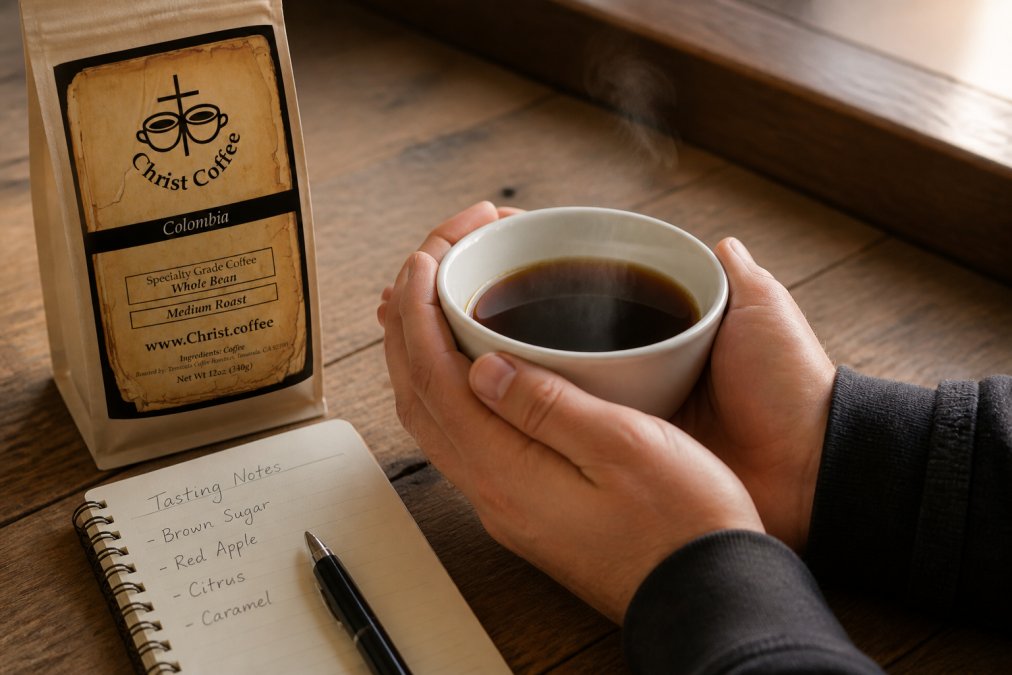
Once you can taste the difference, the value question becomes answerable. If you taste a $30 specialty coffee and a $6 grocery store coffee side by side, the difference is obvious. The specialty coffee has clarity and complexity; the grocery store coffee tastes flat and one-dimensional. At that point, the question is whether that quality difference is worth the price to you.
Is Specialty Coffee Worth It for You?
The answer depends on four factors: your budget, your values, your palate, and your routine.
Budget: If you brew one cup daily, specialty coffee costs roughly $340-400 annually more than grocery store coffee. If that's affordable and aligns with your priorities, it makes sense.
Values: If you care about ethical sourcing, sustainability, and supporting farmers fairly, specialty coffee aligns with those values. At Christ Coffee, every purchase contributes to fighting child exploitation, adding mission alignment for faith-driven and socially conscious buyers.
Palate: If you can taste the difference between specialty and commercial coffee, specialty coffee is worth buying. Most people can learn to taste the difference with practice.
Routine: If you brew coffee daily and care about your morning ritual, specialty coffee makes sense. If you brew occasionally or view coffee as pure caffeine delivery, specialty coffee is probably overkill.
Specialty coffee is worth the cost for people who value quality, care about ethical sourcing, and have the budget to support it. If you're unsure, buy one bag of specialty coffee, brew it properly, and taste it. A single bag of Colombia or Ethiopia from Christ Coffee costs $29.99. If you love it, you've found something worth investing in. If not, you've learned something about your preferences. Either way, you've made an informed decision.
The real value of specialty coffee is in intentionality. When you choose specialty coffee, you're choosing to slow down for 10 minutes, support farmers directly, and fight exploitation through purchasing decisions. You're choosing quality over convenience. For many people, especially those seeking to align daily routines with their values, that choice is worth the cost. Christ Coffee delivers that choice with fresh, ethically sourced beans roasted to order, ensuring every cup reflects both quality and purpose.
Frequently Asked Questions
What is the difference between regular coffee and specialty coffee?
Specialty coffee is graded on a quality scale of 80 points or higher by certified cuppers, meaning it has distinct flavor profiles, traceable origins, and superior freshness. Regular grocery store coffee is typically commodity-grade, often blended from lower-quality beans, stored longer, and roasted months before purchase. Specialty coffee emphasizes single-origin beans, specific processing methods (washed, natural, or honey process), and roast dates, all factors that create measurable differences in taste and aroma that most coffee drinkers can detect immediately.
Does buying specialty coffee support ethical farming practices?
Yes. Specialty coffee often comes with direct trade or fair trade certification, meaning farmers receive premium prices for higher-quality beans and sustainable practices. Christ Coffee's single-origin options, like Colombia and Ethiopia, are sourced from small farming cooperatives using shade-grown, chemical-free methods. Additionally, 100% of Christ Coffee's $5 standard shipping charge supports rescue-focused partners fighting child exploitation, making every purchase a direct contribution to both ethical sourcing and social impact.
How much does specialty coffee cost per cup compared to grocery store brands?
Specialty coffee costs $0.50-$1.00 per cup when brewed at home, compared to $0.15-$0.30 for grocery store brands. Christ Coffee's single-origin beans at $29.99 per 12 oz bag yield roughly 15-18 cups, or about $1.67-$2.00 per cup before accounting for the $5 shipping donation. Over a month of daily coffee, specialty costs $50-$60 versus $5-$10 for commodity coffee. However, the flavor complexity, freshness guarantee, and mission impact often justify the premium for regular home brewers who value quality and ethical sourcing.
Is it really worth buying expensive coffee beans?
It depends on your priorities. If you brew coffee daily and care about flavor, freshness, and ethical impact, specialty beans deliver measurable value through superior taste, longer shelf-life when roasted to order, and direct support for causes you care about. If you drink coffee casually or add significant milk and sugar, the difference may be less noticeable. The real value lies in the roast date (fresh beans taste dramatically better), the supply chain transparency, and knowing your purchase supports meaningful missions, not just the price tag itself.
This article was written using GrandRanker