

Table of Contents
- What Makes Specialty Coffee Feel So Intense
- Specialty Coffee vs. Commercial Coffee: Why the Difference Matters
- Understanding the Difference Between Acidity and Bitterness in Coffee
- How to Brew Specialty Coffee at Home Without Overwhelming Your Palate
- Selecting Gourmet Coffee Beans That Match Your Taste Preference
- Common Brewing Mistakes That Make Specialty Coffee Taste Too Strong
- Adapting Your Palate: Why Specialty Coffee Gets Better Over Time
- Conclusion
Last Updated: August 27, 2026
What Makes Specialty Coffee Feel So Intense
Specialty coffee tastes different from commercial coffee, more pronounced flavor, more noticeable acidity, and a sensory experience that demands attention. But intense doesn't mean bad; it means the coffee has more to say.
The intensity comes from several factors working together. Specialty coffee is sourced from specific origins with distinct characteristics and roasted with precision to highlight those traits rather than mask them. The brewing process extracts more soluble compounds, creating a concentrated cup with pronounced flavor notes. A light roast from Ethiopia tastes nothing like a medium roast from Colombia. This is intentional. Specialty coffee celebrates nuance, while commercial coffee aims for consistency by roasting darker to create a uniform taste, which often results in sourness and bitterness.

The intensity isn't a flaw, it's the coffee doing exactly what it's supposed to do. The challenge is calibrating that intensity to match your palate.
Specialty Coffee vs. Commercial Coffee: Why the Difference Matters
Specialty coffee and commercial coffee operate under completely different standards. Commercial coffee prioritizes volume and consistency, blending beans from multiple origins and roasting dark to create standardized flavor year-round. This approach is predictable and cheap but sacrifices nuance.
Specialty coffee uses the 80-point scale, a standardized cupping score evaluating beans on aroma, flavor, acidity, body, balance, and finish (sca.coffee). Only beans scoring 80 points or higher qualify as specialty grade, a measurable standard, not marketing language.
The sourcing is traceable. You know the farm, altitude, harvest date, and often the farmer's name. This transparency matters because origin directly influences flavor. High-altitude beans from Central America develop different sugars and acids than sea-level beans from Indonesia. A specialty roaster respects these differences; a commercial roaster ignores them.
The roast profile is lighter, preserving origin characteristics and acidity, not the sharp, unpleasant sourness of over-extracted coffee, but the bright, complex acidity that gives coffee nuance and depth. This is where the intensity comes from. Specialty coffee tastes intense because it has more flavor compounds, more acidity, more body, and more complexity than commercial coffee.
Understanding the Difference Between Acidity and Bitterness in Coffee
Most people confuse acidity with bitterness. They taste something sharp and assume it's "too sour," but they're often tasting bitterness, a completely different problem with a different solution.
Acidity in coffee is desirable. It's the brightness and complexity that makes specialty coffee interesting, coming from naturally occurring organic acids like citric acid, malic acid, and chlorogenic acid. A coffee with good acidity tastes clean and vibrant.
Bitterness is harsh and flat, coming from over-extraction, pulling too many compounds from the grounds, including compounds that taste bad. When you steep coffee too long or use water that's too hot, you extract beyond the sweet spot, creating a bitter, unpleasant cup that masks flavor.
Here's the practical difference: if your coffee tastes sharp and bright with distinct flavor notes, you're tasting acidity, that's good. If it tastes flat, harsh, and one-dimensional, you're tasting bitterness, that's a brewing problem.
The fix differs accordingly. For less acidity, choose beans with lower acidity, typically darker roasts or beans from origins like Brazil. For less bitterness, change your brewing method: use cooler water, shorten brew time, or use a coarser grind. These adjustments reduce extraction and eliminate harsh compounds.
Specialty coffee tends to have more acidity because it's roasted lighter. This is intentional. If you're new to specialty coffee, your palate might need time to adjust. Acidity that tastes sharp at first often becomes pleasant once you understand what you're tasting.
How to Brew Specialty Coffee at Home Without Overwhelming Your Palate
Brewing specialty coffee correctly is the single best way to make it taste less intense. Most people make the same mistakes: water that's too hot, grounds that are too fine, or steep times that are too long.
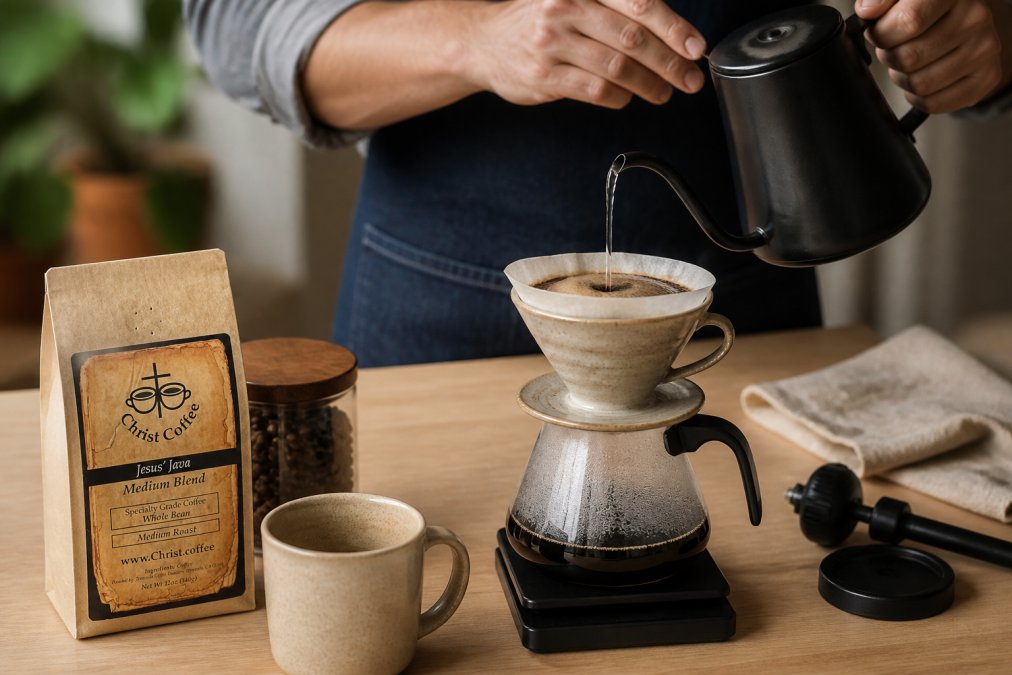
Grind Size and Brew Time
Grind size directly affects extraction. Finer grounds have more surface area, so water reaches more coffee faster. If your specialty coffee tastes too intense or bitter, your grind is probably too fine.
For pour-over brewing, use a medium-fine grind, roughly the consistency of sand. For French press, use a coarse grind. A pour-over should take 3-4 minutes total. A French press should steep for 4 minutes. If you're brewing longer, you're extracting too much. Start with these times and adjust based on taste. If the coffee tastes bitter, reduce brew time by 30 seconds. If it tastes weak or sour, increase brew time slightly.
Change only one variable at a time, either grind size or brew time, never both simultaneously. This way you'll understand what each adjustment does.
Water Temperature and Brew Ratio
Water temperature is critical. Boiling water (212°F) extracts too aggressively. Ideal brewing temperature is 195-205°F (sca.coffee). If you don't have a thermometer, boil water and let it cool for 30 seconds before pouring.
Brew ratio is the weight of coffee to water. A standard ratio is 1:16, one part coffee to 16 parts water by weight (sca.coffee). A scale is essential here. If your specialty coffee tastes too intense, try a slightly lower ratio: 1:17 or 1:18. This dilutes the concentration without changing your brewing method.
Practical Dilution Techniques
If you've brewed a cup and it tastes too intense, add hot water to your finished cup to dilute the concentration. This is a legitimate adjustment. Another approach is to add a small amount of milk or cream. Milk proteins bind to bitter compounds, making them less noticeable. Some people adjust their brew ratio from the start, brewing at 1:18 or 1:19 to create a naturally less concentrated cup.
Selecting Gourmet Coffee Beans That Match Your Taste Preference
Choosing the right gourmet coffee beans is the foundation of a good brewing experience. If you're finding specialty coffee too intense, the beans themselves might be the issue.
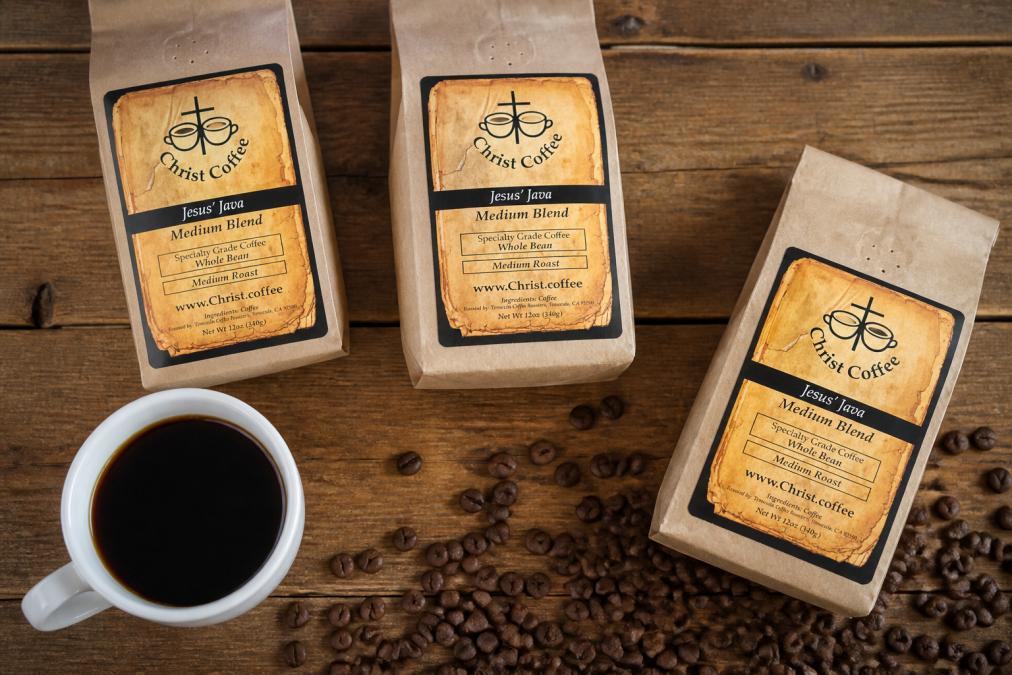
Roast level is the most direct way to adjust intensity. Light roasts preserve origin characteristics and acidity, tasting bright and complex. Medium roasts balance acidity with body. Dark roasts emphasize body and reduce perceived acidity. If specialty coffee tastes too bright or sharp, try a medium or dark roast.
Origin matters significantly. Central American beans (Guatemala, Honduras, Costa Rica) tend toward balance with moderate acidity and are approachable for people new to specialty coffee. South American beans (Colombia, Brazil) often have lower acidity and heavier body. African beans (Ethiopia, Kenya) tend toward higher acidity and floral or fruity notes. If acidity bothers you, start with South American or Central American origins.
Processing method affects flavor too. Washed coffees taste cleaner and more acidic. Natural (dry) processed coffees taste fruitier and heavier. Honey processed coffees sit in between. If you're sensitive to acidity, choose natural or honey processed beans.
Look for tasting notes on the bag. If the notes include "bright," "citrus," or "floral," the coffee will emphasize acidity. If the notes include "chocolate," "nuts," or "caramel," the coffee will emphasize body and sweetness. Choose based on what sounds appealing to you.
Common Brewing Mistakes That Make Specialty Coffee Taste Too Strong
Most people brewing specialty coffee at home make predictable mistakes that are easily fixable.
Using water that's too hot is the most common error. Boiling water over-extracts immediately, creating harsh, bitter coffee. Many assume this harshness is inherent to specialty coffee. It's not, it's over-extraction. Let your water cool slightly before brewing.
Grinding too fine is the second most common mistake. Fine grounds extract quickly, and combined with hot water, create a bitter cup. Invest in a burr grinder, not a blade grinder. A burr grinder produces uniform particle size; a blade grinder creates dust and chunks, leading to uneven extraction.
Steeping too long creates the same over-extraction problem. A pour-over shouldn't take more than 4 minutes. A French press shouldn't steep longer than 4 minutes. Set a timer to enforce discipline and consistency.
Using the wrong brew method can amplify intensity. Immersion methods like French press extract more than percolation methods like pour-over. If you find specialty coffee consistently too intense, try a pour-over or AeroPress instead.
Not using a scale leads to inconsistent ratios. A digital scale costs $15-30 and eliminates this variable.
Adapting Your Palate: Why Specialty Coffee Gets Better Over Time
Here's what most guides don't mention: your palate adapts. Coffee that tastes harsh and overwhelming on day one often tastes pleasant and nuanced after a few weeks of regular drinking.
This isn't psychological, it's physiological. Your taste receptors adjust to repeated exposure. Compounds that initially taste sharp become familiar and then pleasant. Specialty coffee's acidity follows this pattern. The brightness that tastes sharp at first becomes refreshing and desirable. The complexity that seemed overwhelming becomes interesting.
This adaptation takes time, typically 2-4 weeks of regular drinking. If you're new to specialty coffee, commit to trying it consistently before deciding it's not for you. Your initial impression is likely based on novelty, not actual preference.
If a specific coffee tastes bad after a few weeks, it's probably a brewing issue or a poor match for your preferences. But if it tastes unfamiliar and intense, give it time. Most people find they prefer specialty coffee once their palate adjusts.
Is specialty coffee too intense? It depends on your brewing method, bean selection, and familiarity with specialty coffee. Most intensity complaints come from over-extraction, using water that's too hot, grinding too fine, or steeping too long. These are fixable problems with straightforward solutions.
Christ Coffee delivers fresh, specialty-grade beans roasted to order and shipped directly to your door. Our personalized quiz helps you select beans that match your actual taste preferences. Start with a medium roast from a balanced origin like Guatemala or Colombia. Brew with water around 200°F, use a medium-fine grind, and keep your brew time to 3-4 minutes. Most importantly, give your palate time to adapt. Specialty coffee gets better with familiarity. Shop Christ Coffee and discover why thousands of people have made specialty coffee part of their daily routine, knowing that every cup supports the fight against child exploitation.
Frequently Asked Questions
Why does specialty coffee taste so much more intense than regular coffee?
Specialty coffee is graded on the 80-point scale and sourced from higher-altitude origins with distinct flavor profiles. The roasting process highlights these nuances rather than masking them, and specialty beans contain higher solubility, meaning more flavor compounds extract into your cup. Commercial coffee is often roasted darker to create a uniform, less complex taste. Intensity in specialty coffee is a feature, not a flaw, but you can adjust it through brewing method and bean selection.
How do I reduce the intensity of specialty coffee without sacrificing quality?
Start by adjusting your brew ratio, use less coffee grounds per ounce of water. Coarsen your grind size to reduce extraction time, and lower your water temperature to 195-200°F instead of boiling. You can also dilute your brewed cup with hot water after brewing, or choose a lighter roast profile, which typically has less body and intensity than darker roasts. These changes preserve the flavor complexity while making the coffee more approachable.
What's the difference between acidity and bitterness in coffee, and which one makes it feel intense?
Acidity refers to bright, tangy flavor notes, think citrus or berry, and is a sign of quality in specialty coffee. Bitterness is a sharp, unpleasant taste that usually signals over-extraction. High-quality specialty coffee has pronounced acidity but minimal bitterness. If your coffee tastes harsh or unpleasant, you're likely over-extracting; if it tastes bright and complex, that's acidity, which many people enjoy once their palate adapts.
Will my taste adapt to specialty coffee over time?
Yes. Most people experience physiological adaptation within 2-4 weeks of regular specialty coffee consumption. Your palate becomes more sensitive to nuanced flavors and less overwhelmed by intensity. What tastes strong on day one often becomes your preferred daily cup within a month. This is why many specialty coffee drinkers find commercial coffee flat and one-dimensional after switching, their palate has developed an appreciation for complexity.
This article was written using GrandRanker