

Table of Contents
- The Economics of Coffee Production and Pricing
- Understanding Commodity Coffee Prices and Margins
- How Much of Your Coffee Price Actually Goes to Charity
- Fair Trade vs Direct Trade Coffee: Impact Differences
- How to Verify Charity Donations From Coffee Brands
- Best Coffee Subscriptions for Social Impact
- Greenwashing in Coffee Marketing and How to Spot It
- Making Your Coffee Purchase Count
Last Updated: August 24, 2026
The Economics of Coffee Production and Pricing
Coffee production involves multiple layers of costs and margins that determine how much of your purchase price actually reaches farmers, roasters, and charitable causes. Understanding this supply chain is essential if you want to know where your money goes when you buy a bag of coffee.
The journey from seed to cup spans continents and involves dozens of intermediaries. Green coffee beans are grown in tropical regions, harvested by farm workers, processed locally, and then exported to importing countries where roasters purchase them at commodity prices. Each step adds cost and reduces the percentage flowing to the farmer.
A typical coffee supply chain moves through farm owners, local processors, exporters, importers, wholesalers, roasters, and retailers. Some of these middlemen add genuine value through quality control or logistics. Others simply take a cut. The more intermediaries involved, the smaller the slice that reaches the farmer or charitable partners.
This fragmentation is why understanding your coffee's origin matters. Direct relationships between roasters and farms eliminate some middlemen entirely, which can increase both farmer income and the potential for charitable contributions. When you buy from a roaster committed to transparency, you're more likely to know exactly how much of your purchase price goes toward social impact.
Understanding Commodity Coffee Prices and Margins
Commodity coffee prices fluctuate based on global supply and demand, weather patterns, and currency exchange rates. These wholesale prices form the foundation of what you pay at retail, but they tell only part of the story about margins.
When commodity prices spike, roasters don't always pass the full increase to consumers immediately. When prices drop, retail prices tend to fall more slowly. This creates margin variability that affects how much money is available for charitable giving or farmer support programs.
A typical retail coffee bag retails between $12 and $18 for specialty-grade coffee. The wholesale green coffee cost usually represents 25-35% of that retail price (ncausa.org). Roasting, packaging, labor, shipping, and retail markup consume the remainder. For a $16 bag of specialty coffee, the actual green bean cost might be $4-$5, leaving $11-$12 to cover operations, profit, and charitable contributions.
Understanding these margins is crucial when evaluating claims about charity. A brand that donates $1 per bag is contributing differently depending on the actual retail price and the production costs involved. A $1 donation from a $30 premium coffee represents a smaller percentage than the same donation from a $15 coffee.
How Much of Your Coffee Price Actually Goes to Charity
This is the question most coffee drinkers actually want answered, and the answer varies dramatically depending on the brand's business model and commitment.
Some brands donate a fixed dollar amount per bag. Others donate a percentage of revenue. A few donate a percentage of profit, which is significantly smaller. Christ Coffee uses a hybrid model: 100% of the $5 standard shipping charge goes directly to rescue-focused partners like Destiny Rescue and A21, and orders over $65 trigger a double donation impact.
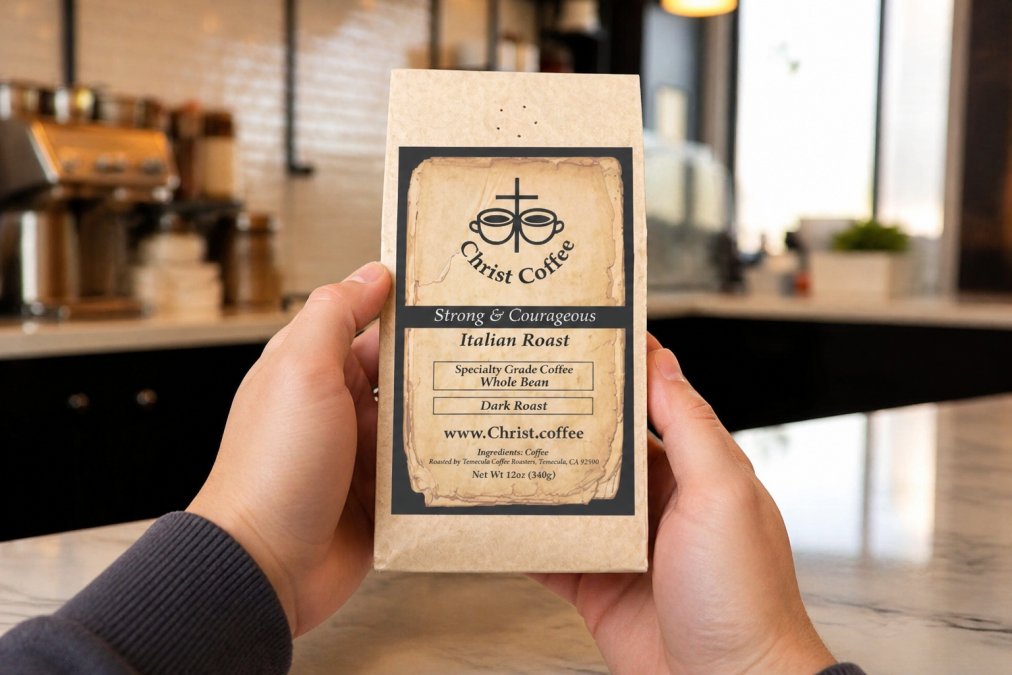
Let's do the math on a real example. If you order the Premium Rescue Blend Bundle from Christ Coffee at $66.29, you trigger the double donation benefit. The $5 shipping charge (100% to charity) plus the doubled donation impact means your purchase directly supports anti-trafficking organizations. This is transparent and measurable, no guessing about whether your money actually reaches the cause.

Compare this to brands that donate a percentage of profit. If a coffee company donates 5% of profit and their profit margin is 10%, they're actually donating 0.5% of your purchase price. That $16 coffee generates only 8 cents for charity, even though the marketing suggests a meaningful contribution.
The most honest brands publish their actual donation amounts and recipient organizations. You should be able to see exactly how much money went to which organizations in the previous quarter or year. If a brand won't publish these numbers, that's a red flag.
Direct trade models create another avenue for impact. When roasters buy directly from small farming cooperatives using sustainable, eco-friendly methods, as Christ Coffee does with single-origin coffees like their Bali Blue, Colombia, and Ethiopia blends, the farmers receive premium prices that exceed commodity rates. This isn't charity; it's fair compensation. But it's arguably more impactful than a small donation to a separate cause, because it directly improves the lives of the people growing your coffee.
Fair Trade vs Direct Trade Coffee: Impact Differences
Fair trade certification guarantees minimum prices and labor standards, but it doesn't guarantee the highest farmer income or the most direct relationship between roaster and farm.
Fair trade coffee must meet standards set by independent certifiers. Farmers receive a guaranteed minimum price (currently around $1.40 per pound for conventional fair trade, higher for organic) (fairtradecertified.org). This protects farmers from price volatility but doesn't necessarily maximize their earnings. Fair trade also requires certification fees and paperwork, which can reduce the net benefit to smaller farms.
Direct trade eliminates the middleman and certification process. Roasters develop relationships with specific farms and negotiate prices directly based on quality and sustainability practices. Direct trade prices typically range from $2 to $4 per pound or higher, significantly exceeding fair trade minimums (directtradecoffee.org). The roaster and farmer can build long-term partnerships, invest in infrastructure improvements, and ensure premium prices for exceptional quality.
The trade-off is transparency. Fair trade provides third-party verification that standards are met. Direct trade depends on the roaster's integrity and willingness to document relationships. Some roasters publish detailed information about their direct trade partners; others claim direct trade relationships without proof.
For charitable impact, direct trade offers a clearer path: when you buy direct trade coffee, the farmer receives substantially more income, reducing poverty and improving living conditions directly. Fair trade contributes to this goal but through a more standardized, less personalized mechanism.
Christ Coffee's single-origin coffees use direct trade relationships with small farming cooperatives, meaning your purchase price directly supports farmers using sustainable, eco-friendly methods. This is social impact embedded in the product itself, not a separate donation.

How to Verify Charity Donations From Coffee Brands
Trust but verify. Coffee marketing is full of vague claims about "supporting communities" or "giving back" without specific numbers or recipients.
Start by asking three questions: How much money goes to charity? Which organizations receive it? Can you prove it?
Legitimate coffee brands publish annual impact reports or quarterly donation summaries. These should list specific dollar amounts, named organizations, and dates. If a brand has a website but no donation data, contact them directly and ask. Their response (or lack thereof) tells you everything.
Check the recipient organizations. Are they registered nonprofits? Do they have their own website and mission statement? Search for their 501(c)(3) status or equivalent nonprofit registration. Scammers sometimes invent organizations or partner with shell nonprofits that don't actually deliver services.
Look for third-party verification. Some coffee brands are audited by independent organizations or publish their impact data through platforms like B Impact or similar frameworks. This adds credibility because external parties are reviewing the claims.
Evaluate the donation mechanism. A brand that donates a percentage of profit is less transparent than one that donates a fixed dollar amount per bag. Profit-based donations fluctuate based on costs and business performance, making it harder to predict your impact. A fixed amount per purchase gives you certainty about your contribution.
Ask about overhead. Legitimate nonprofits spend money on administration, fundraising, and operations. That's normal and necessary. But if a partner organization spends 50% of donations on overhead, your $5 donation only generates $2.50 in actual services. Reputable nonprofits typically spend 75-85% of donations on programs and services.
Christ Coffee's model is straightforward: 100% of the $5 standard shipping charge reaches rescue-focused partners. This is unambiguous. You can verify it by checking the organizations' websites and annual reports. Destiny Rescue and A21 are both established anti-trafficking organizations with published impact data and nonprofit status.
Best Coffee Subscriptions for Social Impact
Coffee subscriptions create recurring revenue for roasters, which enables them to commit to consistent charitable giving and build stable relationships with farmer partners.
The best subscriptions for social impact combine three elements: transparent donation mechanisms, high-quality coffee, and flexibility to pause or cancel without penalty.
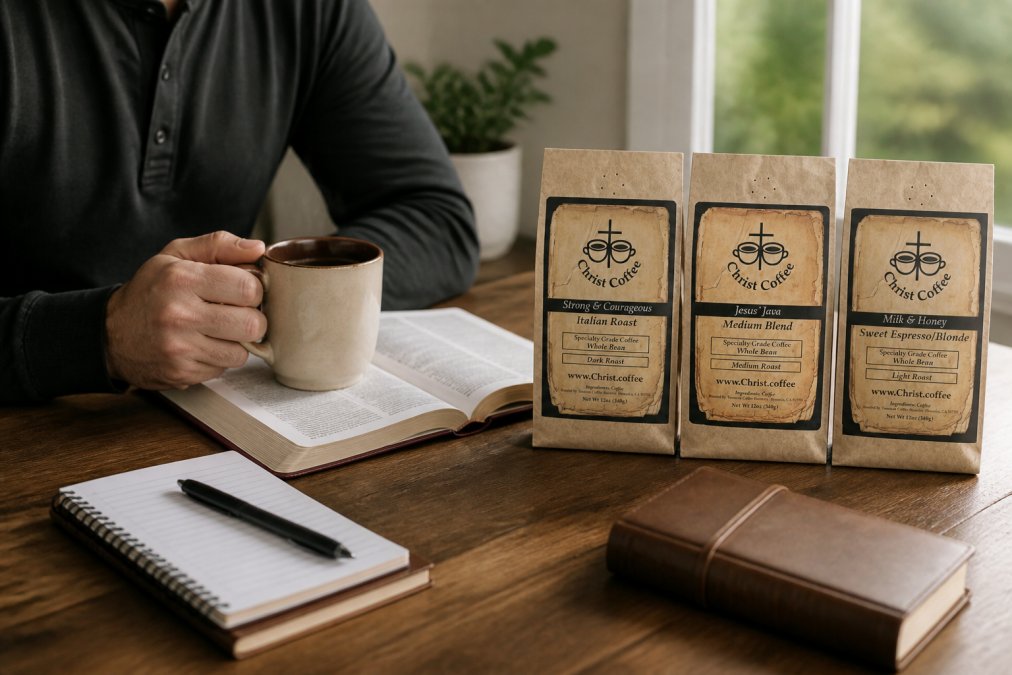
Christ Coffee's subscription model delivers fresh, specialty-grade coffee roasted to order rather than from warehouse stock. This ensures maximum freshness, typical delivery arrives 5-7 days after roast. The subscription includes personalized coffee recommendations via a quick quiz, so you're not receiving random selections month after month.
The donation structure is the key differentiator. Every order includes the $5 shipping charge (100% to rescue-focused partners), and orders over $65 trigger double donation impact. This means a monthly subscription order of $66.29 or more generates two contributions per month, compounding your annual impact.
Subscriptions should offer flexibility. You should be able to skip months, adjust frequency, or cancel without penalties. Christ Coffee's model is designed around customer satisfaction with a no-questions-asked replacement guarantee, suggesting a commitment to customer choice.
Other coffee subscriptions exist, but few combine fresh roasting, transparent charitable giving, and faith-aligned mission statements. The subscription format itself is valuable because it creates predictable monthly purchases, which means predictable monthly donations to partner organizations.
Greenwashing in Coffee Marketing and How to Spot It
Greenwashing, making claims about environmental or social responsibility without substantiation, is rampant in the coffee industry. Brands use vague language, impressive-sounding certifications, and feel-good imagery to suggest impact they don't actually deliver.
Common greenwashing tactics include "supporting communities" without naming specific communities or organizations, "sustainable farming" without defining what sustainability means, and "ethically sourced" without explaining how ethics are verified.
Watch for adjectives without data. Phrases like "responsibly traded," "fairly compensated," and "community-focused" sound good but mean nothing without numbers. How much is "fair"? Which communities? What percentage of revenue actually reaches them?
Be skeptical of vague certifications. Some coffee brands display logos suggesting third-party verification when they're actually self-created or part of industry groups with minimal standards. Legitimate certifications (Fair Trade USA, Rainforest Alliance, Direct Trade Association) are specific, verifiable, and audited.
Look at the company's transparency. Do they publish annual impact reports? Can you download financial statements or donation receipts? Do they name the specific farms or cooperatives they work with? Legitimate impact-driven companies are transparent because transparency builds trust and demonstrates accountability.
Red flags include claims that can't be verified, lack of specific partner organization names, no published donation amounts, and marketing that emphasizes the brand's own values more than actual measurable outcomes.
Christ Coffee avoids these pitfalls by publishing specific donation mechanisms (100% of $5 shipping), naming partner organizations (Destiny Rescue, A21, Love146, Tim Tebow Foundation), and offering a satisfaction guarantee. The transparency is built into the business model, not added as marketing afterward.
Making Your Coffee Purchase Count
Your daily coffee choice is a small decision with cumulative impact. A single cup matters less than the pattern of purchases over time.
If you buy coffee five days a week, that's roughly 260 cups per year. If each purchase contributes to social impact, those small decisions compound into meaningful annual contributions. A $5 donation per order translates to $1,300 per year if you're ordering monthly subscriptions.
Start by identifying your values. Are you concerned about child exploitation, environmental sustainability, farmer income, or some combination? Different coffee brands emphasize different causes. Align your purchases with your priorities.
Then verify the mechanism. Ask for specific numbers, named organizations, and published impact reports. Don't settle for vague claims. If a brand won't provide this information, choose one that will.
Consider the coffee quality itself. Impact-driven coffee should taste excellent. If you're paying premium prices for mediocre coffee, you're not making a smart purchase. Christ Coffee's specialty-grade beans roasted to order deliver the quality you'd expect from premium pricing, with the added benefit of knowing exactly where your money goes.
Finally, talk about it. When you discover a coffee brand aligned with your values, tell others. Recommend it to friends, mention it on social media, and explain why you switched. Consumer purchasing power drives market change. Brands that prioritize impact and transparency succeed because customers choose them intentionally.
When you're buying coffee, you're making a choice about which organizations and causes you support with your money. Most coffee drinkers never ask where their purchase price actually goes, they assume the marketing claims are accurate. Christ Coffee removes that guesswork by publishing exactly how much reaches rescue-focused partners and naming the organizations that receive it. Every bag of specialty-grade coffee, roasted to order and shipped fresh to your door, comes with the certainty that your purchase directly fights child exploitation through established anti-trafficking organizations. That's not just a morning ritual; it's a purposeful decision aligned with your values.
Frequently Asked Questions
Q: What percentage of coffee sales typically goes to charity?
A: The amount varies significantly by brand model. Most standard retail coffee allocates 0-3% of the sale price to charitable causes, though some mission-driven brands structure donations differently. Brands like Christ Coffee commit 100% of their $5 standard shipping charge to rescue-focused partners, plus double donations on orders over $65. Always check a brand's specific donation structure rather than assuming a percentage, transparency about where money goes is the key indicator of genuine impact.
Q: How can I verify if a coffee brand's charitable claims are legitimate?
A: Request specific documentation: ask for the partner organization's name, their tax status (501(c)(3) designation), and annual impact reports. Legitimate brands provide direct links to their partners' websites and third-party verification. Check if the partner organization publishes annual reports showing program outcomes. Be cautious of vague claims like 'proceeds support a cause', genuine transparency means stating exact dollar amounts or percentages donated. Christ Coffee, for example, names specific partners like Destiny Rescue and A21 with clear donation mechanics tied to order value.
Q: What is the difference between fair trade and direct trade coffee?
A: Fair trade uses third-party certification to ensure farmers receive a minimum price floor, typically $1.40 per pound for conventional coffee. Direct trade involves roasters buying directly from specific farms, often at higher prices ($1.50-$3+ per pound), with more transparent relationships. Fair trade benefits many small farmers through cooperative structures; direct trade supports fewer farms but with deeper partnerships. Both models can support ethical causes, but direct trade typically offers greater price transparency and roaster flexibility for charitable contributions.
Q: Do coffee subscriptions that donate to charity cost more than regular coffee?
A: Not necessarily. Mission-driven subscriptions like Christ Coffee price competitively with premium specialty coffee while building charitable impact into their model. The Premium Rescue Blend Bundle costs $66.29 and includes 10% of sales going to rescue organizations, while the Single Origin Saving Blend Bundle is $76.49 with similar impact. These prices align with other specialty-grade, fresh-roasted options. The difference is transparency: you know exactly where money goes. Budget-conscious shoppers should compare per-pound pricing and donation mechanics rather than assuming ethical coffee automatically costs more.
This article was written using GrandRanker