

Table of Contents
- What Makes an Ethical Coffee Subscription Worth Your Money
- How to Choose an Ethical Coffee Subscription That Aligns With Your Values
- Single-Origin vs. Blends: Understanding Sourcing and Freshness
- Coffee Brands That Fight Human Trafficking: Impact You Can Verify
- Fair Trade Coffee Subscription Options and Certification Standards
- Subscription Flexibility, Shipping, and Real Value Comparison
- Why Roast Date and Freshness Matter More Than Price
- Conclusion
Last Updated: August 30, 2026
What Makes an Ethical Coffee Subscription Worth Your Money
An ethical coffee subscription supports farmers earning fair wages, protects communities from exploitation, and offers roasters transparent about their supply chains. The difference from grocery store coffee comes down to traceability: you know exactly where your coffee originated, who grew it, and how your money flows back to the source.
Christ Coffee exemplifies this model. Every order supports rescue-focused partners like Destiny Rescue and A21, organizations working directly to combat child trafficking. The $5 standard shipping charge flows entirely to these partners, and orders over $65 trigger a double donation. This transparency means you can verify your money makes a difference.
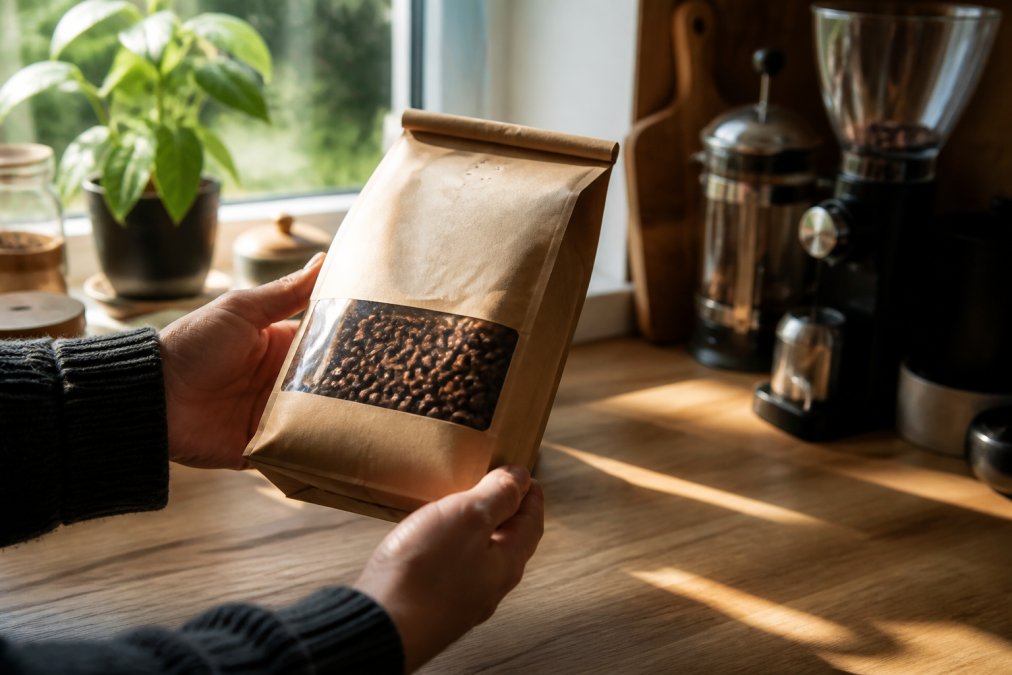
Fresh, specialty-grade coffee roasted to order tastes measurably better than pre-roasted warehouse stock. Single-origin beans from shade-grown cooperatives develop complex flavor profiles, chocolate, cardamom, fruit, that mass-produced blends can't match. Roast date becomes your quality guarantee; coffee loses vibrancy within weeks of roasting. This freshness-plus-purpose combination attracts people who prioritize quality and want their morning ritual to align with their values.
How to Choose an Ethical Coffee Subscription That Aligns With Your Values
Choosing the right ethical coffee subscription requires clarity on what "ethical" means to you: Fair Trade certification, direct farmer relationships, anti-trafficking focus, organic practices, or environmental sustainability. Most subscriptions claim multiple values, but few excel at all of them.
Start by identifying your primary driver. Are you motivated by fighting human trafficking, environmental impact, or fair wages? Once you've defined your values, evaluate three dimensions: sourcing transparency, donation structure, and product quality.
Sourcing transparency means tracing coffee backward to specific farms or cooperatives. Look for shade-grown practices, water-saving mills, and chemical-free farming. Christ Coffee's single-origin offerings, Ethiopia, Colombia, and Bali Blue, each come with specific farming details and flavor notes.

Donation structure determines how much of your purchase reaches the cause. Some subscriptions donate a percentage of profit (which varies). Christ Coffee donates a fixed $5 per order plus double donations on orders over $65, making impact transparent and predictable.
Product quality separates subscriptions worth the premium from those trading on ethics alone. Specialty-grade coffee roasted fresh in small batches should deliver complexity. Whole bean options preserve aromatics better than pre-ground. A satisfaction guarantee signals confidence in quality.
| Evaluation Criteria | What to Look For | Why It Matters |
|---|---|---|
| Sourcing Transparency | Named farms, cooperatives, or regions; farming methods documented | Proves ethical claims are real, not marketing |
| Donation Structure | Fixed amount or percentage per order; named recipient organizations | Shows exactly how much reaches the cause |
| Roast Date | Visible on packaging; typically 5-7 days before delivery | Guarantees freshness and flavor complexity |
| Customization Options | Grind size, frequency, pause/skip flexibility | Ensures the subscription fits your actual routine |
| Satisfaction Guarantee | No-questions-asked replacement for unsatisfied orders | Indicates confidence in product quality |
Single-Origin vs. Blends: Understanding Sourcing and Freshness
Single-origin coffee comes from one country, region, or farm. Ethiopian coffee develops bright acidity and floral notes with molasses and cardamom (sca.coffee). Colombian coffee from Tolima delivers chocolate and peach notes with balanced acidity. Bali Blue from volcanic highlands offers full body and low acidity with dark chocolate and tropical fruit. Each reflects its terroir: soil, altitude, rainfall, and farming practices.
The ethical advantage of single-origin is directness. You know exactly which farmers or cooperatives grew your coffee. This traceability makes the connection between your purchase and real human impact tangible.
Blends combine origins strategically, pairing Ethiopian brightness with Colombian smoothness to create complexity no single origin alone delivers. Blends also offer consistency; a skilled blender adjusts ratios to maintain a signature taste year to year. The ethical story of blends is less direct but not weaker, they may source from multiple fair-trade partners, spreading impact across more farmers.

Freshness applies equally to both. Roast date is your quality marker. Coffee peaks in flavor 5-14 days after roasting, when CO2 has released but volatile aromatics remain intact (peer-reviewed research). Specialty roasters roast to order specifically to hit this window.
Coffee Brands That Fight Human Trafficking: Impact You Can Verify
Not all "ethical" coffee brands prioritize anti-trafficking work. If fighting human trafficking is your primary driver, verify that the organization actually funds rescue and prevention efforts.
Christ Coffee makes this verification straightforward. Every order contributes to organizations actively engaged in rescue work: Destiny Rescue operates in Southeast Asia extracting children from trafficking situations; A21 combines rescue with rehabilitation and legal advocacy; Love146 focuses on prevention and survivor care; the Tim Tebow Foundation combines sports-based youth development with trafficking awareness.
The donation structure shows commitment. Christ Coffee donates 100% of the $5 standard shipping charge, not a percentage of profit or marketing budget. Orders over $65 trigger a double donation. A customer ordering monthly contributes $60 annually to rescue work, plus double-donation bonuses on larger orders.
When evaluating any coffee brand's anti-trafficking claims, ask three questions: Does the brand name specific organizations you can verify independently? Does it disclose what percentage of revenue or what fixed amount per order reaches these organizations? Does it update customers on impact with reports and measurable outcomes? Vague language like "supporting the fight against trafficking" without numbers is a red flag.
Fair Trade Coffee Subscription Options and Certification Standards
Fair Trade certification sets minimum prices for coffee and requires cooperatives meet labor and environmental standards (fairtrade.net). A Fair Trade-certified coffee guarantees the farmer received at least the Fair Trade minimum price, typically higher than commodity rates, and that a portion funds community development projects.
The limitation is that Fair Trade is a floor, not a ceiling. It doesn't guarantee the farmer's name or story, just that standards were met. Direct trade relationships cut out middlemen, allowing roasters to pay farmers whatever they negotiate directly. A roaster visiting a farm can often exceed Fair Trade prices, and the farmer's name becomes part of the coffee's identity.
Many ethical subscriptions use Fair Trade as a baseline and layer additional commitments on top. Shade-grown practices, organic certification, and cooperative ownership structures add ethical touchpoints. Christ Coffee's single-origin coffees emphasize small-batch, shade-grown methods and cooperative sourcing.
When choosing between Fair Trade and direct trade, consider what transparency means to you. Fair Trade provides third-party verification; direct trade requires trusting the roaster's relationships. Both can be legitimate.
Subscription Flexibility, Shipping, and Real Value Comparison
An ethical coffee subscription only delivers value if you actually use it. Look for the ability to skip months without penalty, pause and resume without losing your place, adjust frequency, and cancel anytime. Avoid subscriptions that lock you into annual commitments or charge restocking fees.
Shipping logistics matter more than most realize. Fast shipping after roasting preserves freshness. Christ Coffee ships typically 5-7 days after roast, hitting the peak freshness window. This requires a roasting operation positioned for rapid fulfillment, not a warehouse model.
A $5 shipping charge adds up if you order monthly, $60 annually. Compare this to buying specialty coffee locally. If a local roastery sells single-origin at $14 per 12oz bag with no shipping, and Christ Coffee's Colombia is $29.99, the subscription premium includes roasting to order, freshness guarantee, and anti-trafficking donation. You're paying roughly double for measurably fresher coffee and verified impact.
For monthly orders, bundled options improve value. Christ Coffee's Premium Rescue Blend Bundle at $66.29 includes three signature blends, triggering the double-donation threshold. The Single Origin Saving Blend Bundle at $76.49 includes Bali Blue, Colombia, and Ethiopia, providing variety while maximizing impact per order.

| Subscription Feature | What to Evaluate | Impact on Value |
|---|---|---|
| Skip/Pause Options | Can you pause without losing place or paying fees? | Prevents forced purchases during low-consumption periods |
| Cancellation Policy | Can you cancel anytime without restocking fees? | Ensures you're not locked in if preferences change |
| Shipping Speed | Days between roast and delivery | Directly affects freshness and flavor quality |
| Shipping Cost | Fixed charge per order vs. percentage of order | Affects total annual cost for frequent orders |
| Customization | Grind size, frequency, origin preferences | Ensures subscription matches your actual brewing method |
| Bundle Options | Multi-bag discounts or curated collections | Improves per-bag value and triggers donation bonuses |
Why Roast Date and Freshness Matter More Than Price
Roast date is the single most important quality marker on a coffee bag. Coffee reaches peak flavor 5-14 days after roasting, when CO2 has mostly escaped but volatile aromatics remain intact. Before day 5, coffee tastes muted. After day 14, aromatics fade and flavors flatten. By 30 days, specialty coffee has noticeably lost complexity.
Grocery store coffee, roasted weeks or months before purchase, tastes flat and bitter because aromatics have oxidized. Consumers compensate by buying darker roasts, which mask stale flavors with char. This creates a feedback loop where people think they prefer dark roasts when they're actually preferring the one profile that hides staleness.
Specialty roasters roast to order to hit the peak freshness window. Christ Coffee roasts from real orders rather than warehouse stock. Your bag is roasted after you order, ships within days, and arrives at peak flavor. You taste the difference immediately: brighter acidity, cleaner body, distinct tasting notes instead of generic "coffee" flavor.
Freshness explains why specialty coffee costs more. A $14 grocery bag contains commodity-grade beans roasted months ago. A $29.99 specialty bag contains single-origin, shade-grown beans roasted to order. The price difference reflects roasting infrastructure, supply chain relationships, quality sourcing, and small-batch roasting costs.
For ethical subscriptions, freshness becomes part of the value proposition. The roasting model that supports the cause, roasting to order, direct shipping, also produces fresher beans.
An ethical coffee subscription worth your money combines three elements: verifiable impact on causes you care about, specialty-grade coffee roasted fresh to order, and flexibility that respects your consumption patterns. Christ Coffee delivers all three. The Premium Rescue Blend Bundle and Single Origin Saving Blend Bundle offer curated collections that provide variety while maximizing your donation impact through the double-donation threshold on orders over $65. With every order, you're supporting organizations fighting human trafficking and spreading hope. Shop Christ Coffee and start your morning with purpose.
Frequently Asked Questions
How do I verify that a coffee brand actually fights human trafficking?
Look for direct partnerships with named rescue organizations and published donation reports. Christ Coffee, for example, partners with Destiny Rescue, A21, Love146, and the Tim Tebow Foundation, with 100% of the $5 standard shipping charge going directly to these partners. Legitimate brands publish impact reports or allow you to trace donations. Ask for specifics: which organizations, how much, how often. Vague claims about 'supporting causes' without named partners are red flags.
What's the difference between fair trade and direct trade coffee subscriptions?
Fair Trade certification guarantees minimum prices and labor standards through third-party audits, but farmers may never meet the buyer. Direct trade builds ongoing relationships between roasters and specific farming cooperatives, often resulting in higher prices for farmers and more transparency about sourcing. Fair Trade works at scale; direct trade emphasizes traceability. Both can be ethical, but direct trade typically offers more supply chain visibility and producer relationships, which is why many specialty roasters now use direct trade models.
Is a coffee subscription worth the cost compared to buying bags at a grocery store?
For specialty-grade, freshly roasted coffee, subscriptions typically offer better value. Grocery store bags sit in warehouses for weeks or months, losing flavor and aromatics. Subscription services roast to order after you purchase, meaning peak freshness arrives 5-7 days after roast. At $29.99 per bag for single-origin coffees like Ethiopia or Bali Blue, you're paying for freshness, traceability, and direct impact, not just coffee. The $5 shipping donation on every order also supports anti-trafficking work, making each purchase a dual-purpose purchase.
How do I know if roast date and freshness really matter for my morning coffee?
Roast date directly affects flavor complexity and aroma. Freshly roasted beans (within 2 weeks) release more nuanced tasting notes, the cardamom and floral notes in Ethiopian coffee, or the chocolate and peach in Colombian. Older beans taste flat and bitter. If you've only had grocery store coffee, fresh specialty beans will taste noticeably brighter and more vibrant. For best results, brew within 4 weeks of the roast date. This is why roasting to order after your purchase matters: you're guaranteed peak flavor.
What should I look for in packaging and environmental impact when choosing an ethical subscription?
Check whether packaging is compostable or recyclable, and ask about carbon-neutral shipping options. Ethical roasters increasingly use compostable bags or recyclable materials. Some offer reusable container programs or carbon offsets on shipping. Beyond packaging, consider whether the roaster sources from shade-grown farms that preserve biodiversity and reduce chemical pesticides. Brands that highlight water-saving mills and natural processing methods are typically more environmentally conscious. Read the sourcing details, they reveal how much the roaster cares about both people and planet.
This article was written using GrandRanker