

Table of Contents
- What Makes Ethical Coffee Alternatives Stand Out
- How to Identify Ethically Sourced Coffee
- Best Coffee Subscriptions for Social Impact
- Budget-Friendly Ethical Coffee Options
- The Role of Roasters in Social Justice
- Environmental Sustainability in Coffee Sourcing
- Empowering Survivors Through Coffee Enterprise
- Making Your Ethical Coffee Choice
Last Updated: August 28, 2026
What Makes Ethical Coffee Alternatives Stand Out
The coffee industry has a problem most mornings don't acknowledge. Behind your daily brew sits a supply chain where workers sometimes earn less than $3 per day, where environmental degradation erodes farmland, and where transparency vanishes between origin and cup (ilo.org). Ethical coffee alternatives matter because they support systems that value human dignity, environmental stewardship, and supply chain integrity.
At Christ Coffee, we believe your morning ritual should align with your values. When you choose ethical coffee alternatives, you're voting for a model where farmers earn fair payment, land is stewarded responsibly, and you can trace where your coffee came from. The best ethical coffee alternatives share core traits: transparency about sourcing practices, third-party certification or direct farmer relationships, environmental sustainability commitment, and honest impact communication.

What separates serious players from marketing-heavy brands is verifiable proof. Real ethical coffee alternatives publish sourcing maps, name farming partners, explain certification standards, and show how purchasing power translates into economic stability for farming communities.
How to Identify Ethically Sourced Coffee
Identifying ethically sourced coffee requires moving past marketing language and understanding what actually matters in the supply chain. True ethical sourcing rests on concrete foundations: knowing where coffee came from, understanding how farmers were paid, confirming environmental practices, and verifying claims through independent certification.
Supply Chain Transparency and Traceability
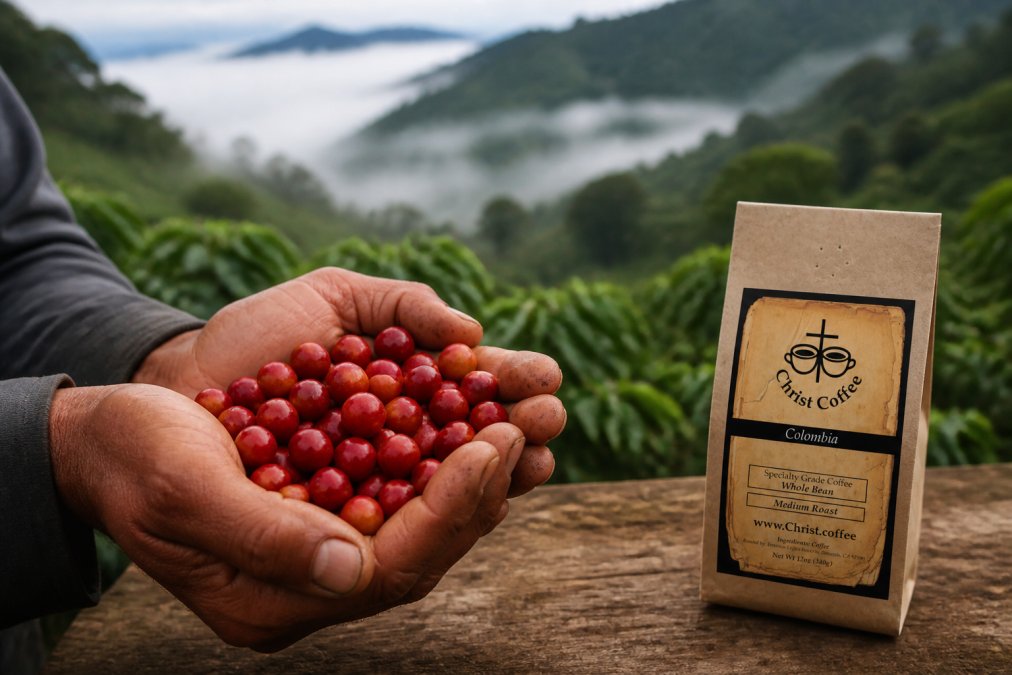
Supply chain transparency means following your coffee from farm to cup. Ethical brands tell you the specific region, farmer or cooperative name, altitude, and sometimes harvest date. This detail proves the company knows where their coffee comes from, not just "somewhere in Colombia," but the specific cooperative in Tolima with its elevation and farming practices.
Traceability protects against greenwashing. When a company names farming partners and describes practices, you can verify those claims. Many ethical roasters publish sourcing maps online. Christ Coffee sources single origins like Colombia from innovative farmer groups in Tolima using water-saving mills and natural methods, details traceable to actual partnerships rather than vague claims.

The best traceability systems allow direct communication between roasters and farmers. Some brands offer "direct trade" relationships where the roaster works directly with the farm or cooperative, eliminating middlemen and ensuring more of your purchase price reaches growers. This creates accountability: if the roaster claims sustainable practices, the farmer can confirm it directly.
Certification Standards That Matter
Not all certifications carry equal weight. The most credible third-party certifications include Fair Trade, Rainforest Alliance, and Organic. Fair Trade ensures farmers receive a minimum price floor, protecting them from market crashes (fairtrade.net). Rainforest Alliance verifies environmental stewardship and worker welfare. Organic confirms no synthetic pesticides or fertilizers were used.
Fair Trade focuses on economic fairness and community development. Organic focuses on environmental impact and chemical-free cultivation. Direct Trade isn't formal certification; it's a business model where roasters work directly with farms, often paying above-market rates. The strongest ethical coffee combines multiple approaches: organic certification plus direct relationships plus transparent pricing.
Look for third-party verification rather than self-certification. A brand claiming "ethically sourced" without independent backing is making a marketing claim, not a verified commitment. Real certification bodies conduct audits, verify pricing, and maintain standards.
Best Coffee Subscriptions for Social Impact
Coffee subscriptions for social impact flip the traditional model: you receive curated selections roasted fresh, with direct knowledge of farms and farmers behind each bag. The best subscription models combine exceptional quality with transparent social impact reporting.
Mission-Driven Models That Help Farmers
The most effective mission-driven subscriptions tie their business model directly to farmer empowerment. Some commit a percentage of revenue to direct farmer support or community development projects. Others use subscription revenue to guarantee year-round purchasing from partner farms, providing financial stability that allows farmers to invest in their land and families rather than chase volatile commodity prices.
Christ Coffee's model demonstrates how subscriptions amplify impact. The brand roasts coffee fresh to order, never from warehouse stock, so your subscription directly triggers production. Every order includes a donation impact: 100% of the $5 standard shipping charge supports rescue-focused partners like Destiny Rescue and A21, fighting human trafficking and exploitation. Orders over $65 trigger a double donation, creating incentive alignment between customer purchasing and social impact.
Subscription models allow roasters to build long-term relationships with farmers. When a roaster knows they'll have consistent monthly orders from subscribers, they can commit to buying specific volumes at fair prices. This stability helps farmers plan crop rotation, invest in equipment, and ensure their children attend school rather than work in fields.
Direct Trade vs. Fair Trade: Understanding the Difference
Direct Trade and Fair Trade represent different approaches to ethical sourcing. Fair Trade certification guarantees a minimum price floor for farmers and ensures compliance with labor standards through formal certification with third-party audits. Direct Trade is a business relationship where roasters work directly with farms, often bypassing middlemen to pay higher prices directly to farmers.
Fair Trade certification provides protection through standardized minimums and verification. If commodity prices crash, Fair Trade farmers still receive their guaranteed price. The system also funds community development projects decided by farming communities themselves.
Direct Trade typically results in higher prices paid to farmers because fewer intermediaries take cuts. However, Direct Trade lacks formal certification standards. A brand claiming Direct Trade relationships should provide transparency: farm names, pricing information, and farmer testimonials.
Many ethical roasters combine elements of both, paying Direct Trade prices while pursuing Fair Trade certification for added credibility. This layered approach provides farmers with premium pricing plus the protection of certified standards.
Budget-Friendly Ethical Coffee Options
The perception that ethical coffee must be expensive keeps many from switching. While premium specialty roasters charge $30-40 per bag, ethical options exist across price points. Truly ethical coffee costs more because the entire supply chain operates differently.
Budget-conscious ethical shoppers have several strategies. Single-origin coffees from Christ Coffee start at $29.99 per bag, roughly $0.50-0.60 per cup depending on brewing method. Buying bundles like the Single Origin Saving Blend Bundle at $76.49 reduces per-bag cost while supporting multiple farming communities. Subscription models often include modest discounts compared to one-time purchases, and monthly deliveries eliminate rush shipping fees.

Another approach: rotate between premium ethical brands and more accessible options. You might treat yourself to a specialty single origin monthly while purchasing affordable ethical blends for daily brewing. Many roasters offer seasonal sales or bundle deals that reduce per-cup cost significantly.
The real consideration is this: ethical coffee costs more because ethical sourcing actually costs more. When you pay $30 for a bag, a meaningful portion reaches the farmer, often 3-4 times what commodity coffee farmers receive. That premium reflects the actual cost of fairness.
The Role of Roasters in Social Justice
Roasters occupy a powerful position in the coffee supply chain. They control which farms get orders, which farmers receive premium prices, and which practices get rewarded. The most socially conscious roasters use this power intentionally, treating sourcing decisions as tools for justice.
Progressive roasters go beyond fair pricing. They invest in farmer education, helping partners adopt sustainable practices that improve environmental health and coffee quality. They publish transparency reports showing exactly how much money reaches farming communities. They build long-term relationships rather than chasing lowest prices. Some roasters specifically partner with farms owned by women or Indigenous communities, directing resources toward historically marginalized groups.
Christ Coffee exemplifies roaster-driven social justice by connecting coffee sales directly to anti-trafficking organizations. Every purchase supports farming communities through ethical sourcing while funding organizations fighting human trafficking and exploitation. This dual commitment shows how roasters can use their business model for multiple forms of impact.
Roasters also drive environmental stewardship by demanding that farming partners use shade-growing methods, water conservation, and chemical-free cultivation. Shade-grown coffee preserves forest canopy, supporting bird populations and carbon sequestration. Water-efficient processing protects local water supplies. These aren't add-ons; they're central to ethical roaster sourcing standards.
Environmental Sustainability in Coffee Sourcing
Coffee farming's environmental impact is enormous. Traditional sun-grown monoculture plantations strip forests, deplete soil, and require heavy chemical inputs. Sustainable coffee sourcing reverses this through shade-growing, organic methods, water conservation, and biodiversity protection.
Shade-grown coffee preserves forest structure, with coffee plants growing under native tree canopy (peer-reviewed research). This supports bird populations, maintains soil health through natural decomposition, and sequesters carbon. It costs more than sun-grown monoculture because it requires more labor, but the environmental benefit is substantial. Single-origin coffees like Ethiopia and Bali Blue from Christ Coffee are shade-grown by smallholder cooperatives using natural, eco-friendly methods.
Water conservation in coffee processing matters enormously. Traditional wet-processing uses enormous water volumes, contaminating local supplies with pulp and processing chemicals. Sustainable roasters partner with farms using water-saving mills and natural processing methods, protecting drinking water for farming families and downstream communities.
Organic certification prevents synthetic pesticide and fertilizer use, protecting soil microbiomes and preventing chemical runoff. The best ethical coffee combines organic certification with shade-growing, water conservation, and biodiversity protection.
Helping Survivors Through Coffee Enterprise
Some of the most innovative ethical coffee brands use coffee itself as a tool for social justice, specifically supporting survivors of trafficking and exploitation. These social enterprises create employment, build skills, and provide pathways to economic independence for people rebuilding their lives.
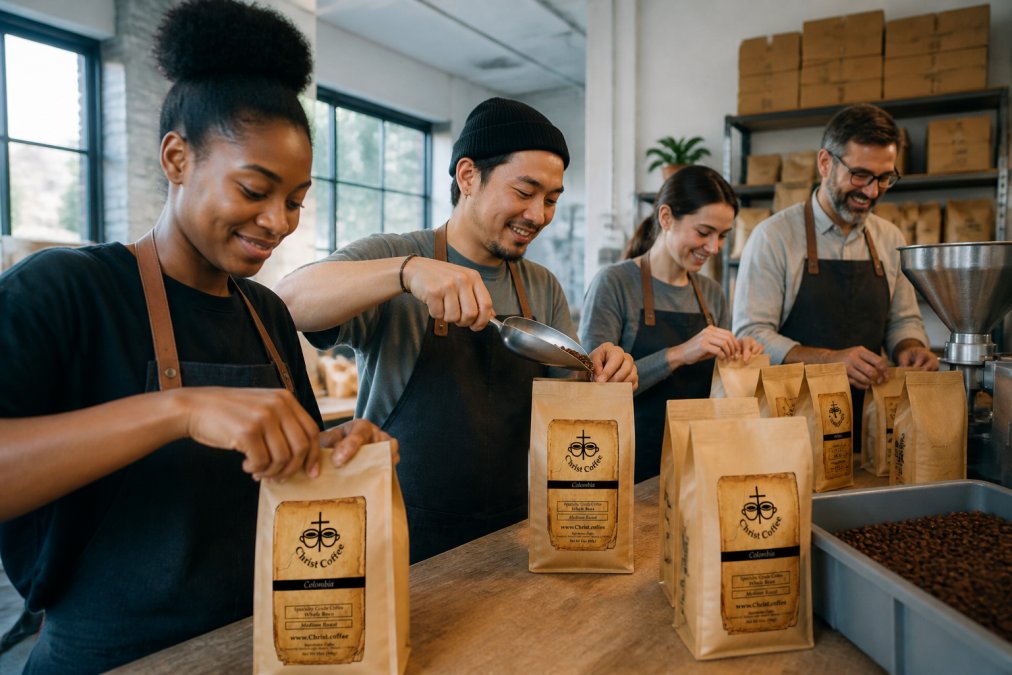
Coffee enterprises focused on survivor empowerment prioritize hiring and training survivors, understanding that employment barriers after trafficking are significant. They create supportive work environments that recognize trauma and provide flexibility. They pay living wages and invest in skill development, helping survivors build careers in specialty coffee.
These enterprises create a powerful narrative: coffee grown through exploitation becomes the vehicle for someone else's liberation. A survivor packaging ethically sourced coffee participates in a chain of dignity running from farmer to consumer.
When you purchase from coffee brands supporting survivor empowerment, you're funding job training programs, mental health support, and long-term employment stability. Some brands partner with anti-trafficking organizations providing wraparound services, housing support, legal assistance, and counseling alongside employment.
Making Your Ethical Coffee Choice
Choosing ethical coffee alternatives comes down to clarity about your values and what you're willing to support. Start by identifying what matters most: farmer economic stability, environmental protection, survivor empowerment, supply chain transparency, or some combination. Different ethical brands emphasize different priorities.
Research specific claims brands make. Look for transparency: Can you find farming partner names? Are certifications displayed and explained? Does the brand publish impact reports? Honest ethical brands have nothing to hide.
Start with a single-origin coffee from a brand you trust. Single origins let you taste the specific farm's character and understand what ethical sourcing delivers in quality. Christ Coffee's single origins, Colombia, Ethiopia, and Bali Blue, each offer distinct flavor profiles while supporting specific farming communities.
Consider subscription models if you drink coffee regularly. Monthly deliveries ensure you never run out, often cost less than one-time purchases, and build ethical consumption into your routine.
Remember that perfect ethical consumption doesn't exist. The goal isn't finding one perfect brand; it's making intentional choices that align with your values and supporting businesses trying to do better.
Making your morning coffee a force for good doesn't require perfection, it requires intention. When you choose ethical coffee alternatives, you're supporting farming communities, protecting ecosystems, and often funding organizations fighting human trafficking and exploitation. Christ Coffee delivers fresh, specialty-grade coffee roasted to order while directing 100% of standard shipping charges and double donations on orders over $65 to rescue-focused partners like Destiny Rescue and A21. Start with a single origin like Colombia's shade-grown offering from innovative farmer groups or explore the [Single Origin Saving Blend Bundle(https://checkout.christ.coffee/products/single-origin-saving-blend-bundle) featuring three ethically sourced coffees | christ.coffee], and experience how ethical sourcing translates into exceptional flavor and measurable impact.
Frequently Asked Questions
What are some ethical coffee brands that actually fight human trafficking?
Several roasters tie coffee sales directly to anti-trafficking work. Christ Coffee donates 100% of its $5 standard shipping charge to rescue partners like Destiny Rescue and A21, plus offers double donations on orders over $65. Other mission-driven options focus on fair payment, supply chain transparency, and direct relationships with farming cooperatives. The key difference: look for roasters that publicly name their partner organizations and report measurable impact, not just vague claims about social responsibility.
How do I verify that a coffee roaster's supply chain is actually transparent?
True transparency means you can trace coffee back to specific farms or cooperatives. Check if the roaster publishes origin information, farmer names, and payment practices on their website. Ask whether they visit their farms directly and how often. Certifications like Fair Trade, Direct Trade, or Rainforest Alliance provide third-party verification, but the strongest signal is a roaster willing to share specifics: which farms, what farmers earned, environmental practices used. Christ Coffee's single-origin coffees, for example, identify the regions and farming methods, allowing you to understand exactly where your coffee comes from.
What's the difference between Fair Trade and direct-trade coffee?
Fair Trade certification is administered by a third party and guarantees minimum prices and labor standards across a supply chain. Direct Trade means the roaster buys directly from farmers or cooperatives, cutting out middlemen and often paying higher prices. Direct Trade can offer more flexibility and stronger relationships but lacks the formal third-party oversight. Fair Trade provides standardized accountability. Many ethical roasters use both: they may source some coffees through Fair Trade channels and others through direct relationships. The best approach is to choose roasters transparent about their sourcing method and willing to explain why they chose it.
Can I find ethically sourced coffee at a budget-friendly price?
Yes, though ethical coffee typically costs more than mass-market brands because farmers and communities are paid fairly. Christ Coffee's single-origin options start at $29.99, which is competitive for specialty-grade, ethically sourced coffee roasted to order. Buying bundles like the Single Origin Saving Blend Bundle at $76.49 for three bags reduces the per-bag cost compared to purchasing individually. Subscription models also help: ordering regularly often qualifies you for discounts or lower shipping impact. Budget-conscious ethical shoppers should compare the total cost of ownership over time rather than focusing on single-purchase price.
How do I know if a coffee company's rescue partners are legitimate?
Research the organizations independently. Visit their websites, check their 501(c)(3) status through the IRS, and look for annual reports or impact statements. Legitimate anti-trafficking organizations publish detailed information about their programs, financials, and outcomes. Christ Coffee partners with Destiny Rescue, A21, Love146, and the Tim Tebow Foundation, all established nonprofits with public accountability records. Don't rely solely on a roaster's claims; verify the partner organizations yourself. Trustworthy roasters welcome this scrutiny and provide direct links to their partners' websites.
This article was written using GrandRanker