

Table of Contents
- Why Coffee Subscriptions Deliver Real Value for Home Brewers
- Is Subscription Coffee Really Fresh? What Roasted-to-Order Actually Means
- Cost Savings: Subscription Coffee vs. Grocery Store and Coffee Shop Spending
- How to Choose a Coffee Subscription That Matches Your Brewing Method
- Coffee Subscription vs. Grocery Store Coffee: Quality, Freshness, and Flavor
- Storage and Shelf Life: Managing Fresh Beans Between Deliveries
- Ethical Sourcing and Impact: What Your Subscription Actually Supports
- Conclusion
Last Updated: August 22, 2026
Why Coffee Subscriptions Deliver Real Value for Home Brewers
Fresh-roasted coffee shipped directly to your door transforms how home brewers experience their daily ritual. The difference comes down to freshness: when beans are roasted to order rather than sitting in warehouse inventory for weeks, the flavor profile stays vibrant and aromatic compounds remain intact.
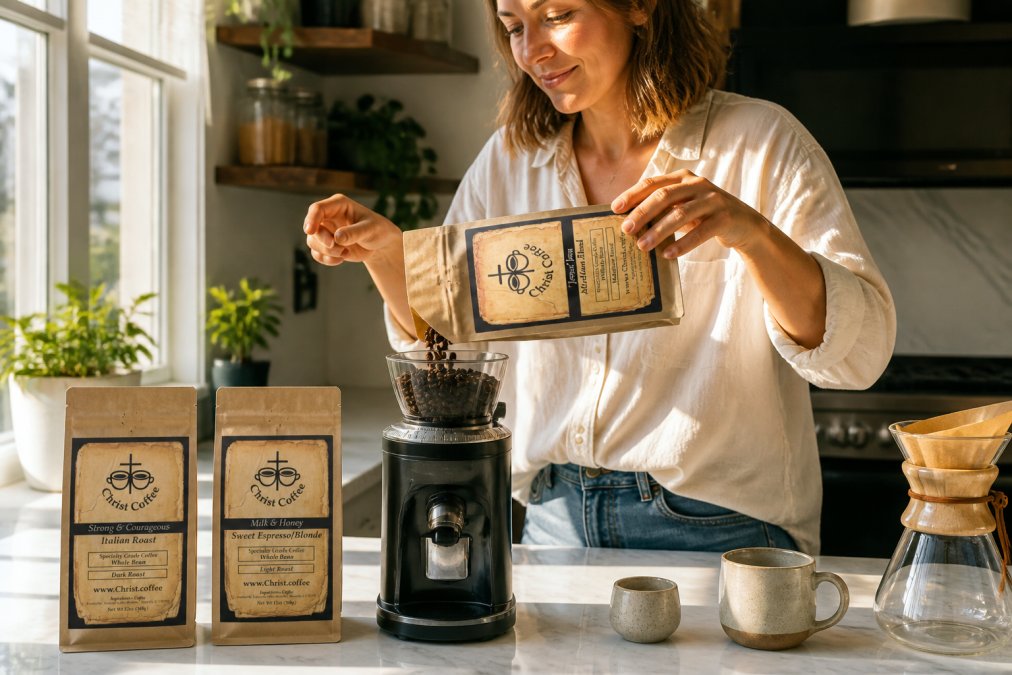
At Christ Coffee, customers receive beans typically within 5-7 days of roasting, hitting their peak flavor window right upon arrival. A bag sitting on a grocery shelf for three months loses volatile oils and develops stale, flat notes. For home baristas who care about extraction, grind size, and brewing method, this consistency is essential. You're not adjusting your technique to accommodate random roast profiles; instead, you're working with beans specifically chosen to complement your equipment.
Is Subscription Coffee Really Fresh? What Roasted-to-Order Actually Means
Roasted-to-order coffee is genuinely fresher because roasting happens only after your order is placed. When you order, the roastery receives your request and begins the roasting process specifically for you, not pulling from pre-roasted inventory. Coffee begins to oxidize the moment roasting ends, with CO2 escaping within 24-48 hours (peer-reviewed research). By day 14-21, the coffee has lost significant aromatic complexity (peer-reviewed research). Pre-roasted coffee sold in grocery stores may be 4-8 weeks old by the time it reaches your kitchen (usda.gov). Roasted-to-order coffee arrives at day 5-7, capturing the sweet spot where flavor is bold but not yet declining.
Legitimate roasters stamp roast dates on every bag. If you don't see one, the roaster isn't confident about freshness. Christ Coffee includes roast dates on every order, so you know exactly when your beans were roasted. Some subscription services pre-roast in bulk and ship from warehouse stock, which defeats the purpose entirely.
Fresher beans release oils and solubles more efficiently, affecting how your grinder performs and how your brew tastes. If you're calibrating your brewing method, you're calibrating to fresh beans. Switching to stale beans will produce either under-extracted (thin, sour) or over-extracted (bitter, ashy) coffee.
Cost Savings: Subscription Coffee vs. Grocery Store and Coffee Shop Spending
The economics of a coffee subscription depend on what you're comparing it against. A specialty coffee shop typically charges $5-7 per cup. A home-brewed cup from subscription coffee costs roughly $1-2 per serving. Over a year, that's a difference of thousands of dollars.
Comparing to grocery store coffee requires nuance. A standard grocery bag costs $8-15 and yields roughly 12-16 cups, bringing per-cup cost to $0.50-1.25. Subscription coffee from specialty roasters typically costs $25-30 per 12-ounce bag, or $2-2.50 per cup. On raw cost per cup, grocery store coffee wins. But the quality difference is dramatic. Grocery store coffee is commodity-grade, designed for volume and shelf stability, not flavor. Subscription coffee is specialty-grade, single-origin, or carefully curated blends with tasting notes and roast profiles.
The real value emerges when you factor in consistency and waste. Grocery store bags often sit opened in your pantry for weeks, with stale beans thrown out or brewed into mediocre coffee. Subscription coffee arrives fresh and in quantities matched to your consumption, reducing waste. You're also paying for the roaster's expertise in sourcing, roasting, and blending.
Christ Coffee's model includes a mission-driven component. Every order contributes to fighting child exploitation. A $5 standard shipping charge goes entirely to rescue-focused partners like Destiny Rescue and A21. Orders over $65 trigger a double donation impact. For customers aligned with this mission, the value extends beyond the coffee itself.
| Comparison | Cost Per Cup | Quality Level | Freshness | Convenience |
|---|---|---|---|---|
| Grocery Store Coffee | $0.50-1.25 | Commodity | 4-8 weeks old | High (always available) |
| Coffee Shop | $5-7 | Variable | Fresh daily | Very high (ready to drink) |
| Subscription Coffee | $2-2.50 | Specialty-grade | 5-7 days old | Medium (requires brewing) |
| Christ Coffee Subscription | $2-2.50 | Specialty-grade | 5-7 days old | Medium + mission impact |
How to Choose a Coffee Subscription That Matches Your Brewing Method
Your brewing method should drive your coffee selection. Different brewing techniques extract coffee differently, which means bean characteristics matter. An espresso machine demands a specific grind size and roast profile. A French press handles coarser grinds and darker roasts better. Pour-over brewing rewards lighter roasts where you can taste single-origin flavor notes.
When evaluating a subscription, look for roasters who ask about your brewing method. Christ Coffee offers personalized coffee recommendations via a quick quiz to understand your equipment and preferences, then suggests roasts that complement your specific setup. A light roast optimized for pour-over will taste thin and under-extracted in a French press.
Grind size customization is another key factor. Some subscriptions offer pre-ground options, whole beans, or both. Pre-ground coffee loses freshness faster because it has more surface area exposed to air. Whole beans stay fresh longer and allow you to grind immediately before brewing, maximizing flavor. Whole bean should be the default option.
Roast profile consistency matters for home baristas who've dialed in their technique. If you receive different roast profiles each month without warning, you'll need to recalibrate your grind size and extraction time. Some subscriptions let you choose the same coffee monthly or rotate through predictable options. If you're serious about brewing precision, predictability is valuable.
Coffee Subscription vs. Grocery Store Coffee: Quality, Freshness, and Flavor
The quality gap between subscription specialty coffee and grocery store coffee is substantial. Grocery store beans are typically commodity-grade Arabica blended with Robusta for body and caffeine content. They're roasted for consistency and shelf stability, not flavor expression. The roast is usually medium-dark, masking defects and producing a familiar, inoffensive taste.
Specialty subscription coffee uses higher-grade Arabica beans, often single-origin or carefully sourced blends. The roasting is lighter, highlighting unique characteristics of each bean's origin. A Colombian coffee tastes different from an Ethiopian coffee because terroir, altitude, and processing create distinct flavor profiles. Grocery store coffee flattens these differences into generic "coffee" taste.

Freshness is the second major differentiator. Grocery store coffee spends weeks in transit and storage before reaching your home. Subscription coffee arrives at peak freshness, typically 5-7 days post-roast. You'll notice the difference immediately when you open the bag. The aroma is more intense, and the brew tastes brighter with more nuanced flavor notes.
Most grocery store coffee doesn't disclose its origin or sourcing practices. Subscription roasters typically work directly with farmers, often paying premium prices for quality. Christ Coffee sources from shade-grown farms using natural, eco-friendly methods. Farmers are treated fairly, and sustainability is built into the supply chain.
Storage and Shelf Life: Managing Fresh Beans Between Deliveries
Fresh coffee degrades predictably once roasted. Beans peak in flavor between days 5-21 post-roast. After day 21, flavor begins declining noticeably. By day 30, the coffee is still drinkable but noticeably flatter. After day 45-60, the coffee tastes stale.
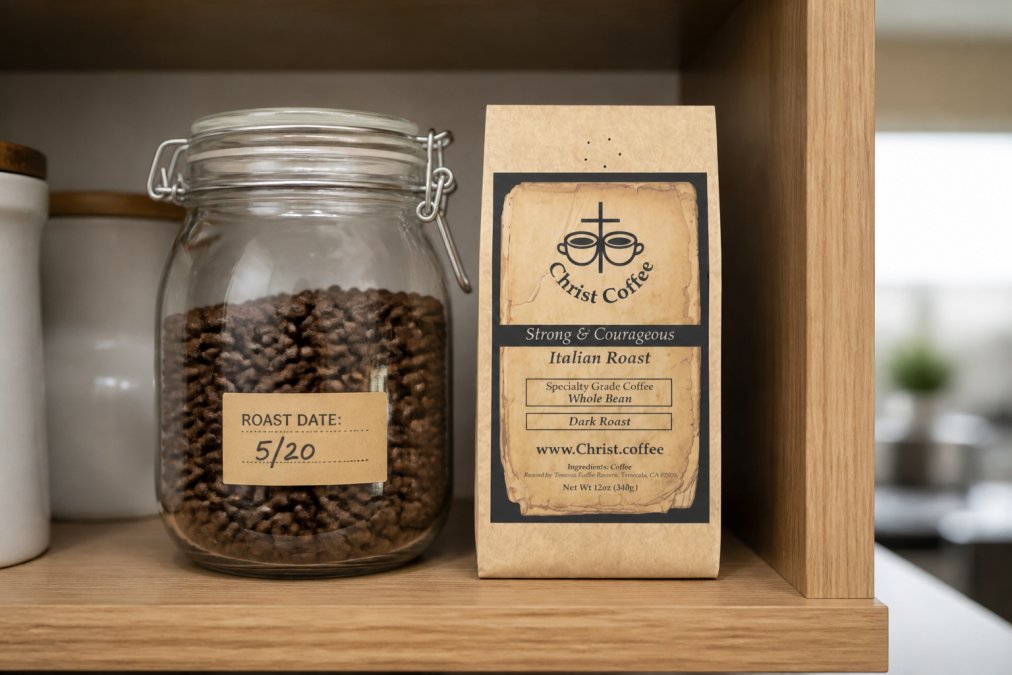
Storage conditions dramatically affect shelf life. Oxygen, light, heat, and moisture are coffee's enemies. An open bag sitting on your counter will stale within 2-3 weeks. The same beans in an airtight container in a cool, dark cabinet stay fresh for 4-6 weeks. Avoid storing coffee near the stove or in cabinets above appliances.
Freezing extends shelf life but comes with trade-offs. Frozen whole beans can stay fresh for 2-3 months, but condensation forms when you remove them from the freezer, damaging the beans. Many home baristas argue that fresh beans stored properly outperform frozen beans.
Whole beans stay fresh much longer than pre-ground coffee. Pre-ground coffee stales within 1-2 weeks even in airtight containers. If your subscription offers both options, choose whole beans and grind immediately before brewing.
Matching subscription frequency to consumption prevents waste and keeps beans fresher. If you brew daily, a 12-ounce bag lasts roughly 10 days. Ordering monthly means you'll have fresh coffee throughout the month, with the oldest beans still within the quality window. Calculate your actual consumption rate and set frequency accordingly.
Ethical Sourcing and Impact: What Your Subscription Actually Supports
When you choose a subscription coffee service, you're making a statement about which farming practices and supply chains you support. Ethical sourcing means farmers receive fair prices, work under safe conditions, and use sustainable methods.
Many subscription services claim ethical sourcing without specifics. Look for roasters who name their farms, regions, and farming cooperatives. Christ Coffee sources from shade-grown farms in places like Bali, Colombia, and Ethiopia, where small farming cooperatives use natural, eco-friendly methods. You can trace where your coffee comes from and understand the farming practices involved.
Fair trade certification is one way to verify ethical sourcing, but it's not the only way. Some direct-trade relationships actually pay farmers more by cutting out middlemen. The key is transparency. Ethical roasters publish information about their relationships with farmers, pricing, and impact.
Beyond farming practices, consider what your coffee purchase supports. Christ Coffee directs resources toward fighting child exploitation. Every standard shipping charge ($5) goes to rescue-focused partners like Destiny Rescue and A21. Orders over $65 trigger double donations. Your coffee purchase directly funds anti-trafficking work.
Conclusion
Coffee subscription benefits for home brewers go far beyond convenience. Fresh-roasted beans delivered on your schedule transform your brewing experience, delivering peak flavor that grocery store coffee cannot match. When you combine specialty-grade coffee with mission-driven sourcing, the value becomes clear: you're investing in quality, consistency, and impact.
Christ Coffee delivers this combination through roasted-to-order specialty coffees shipped 5-7 days post-roast, paired with direct contributions to child exploitation rescue efforts. Explore options like the Premium Rescue Blend Bundle ($66.29) to experience three signature roasts with purpose, or try the Single Origin Saving Blend Bundle ($76.49) to taste distinctive flavor profiles from shade-grown farms worldwide. Every order supports organizations like Destiny Rescue and A21, turning your morning ritual into meaningful action.


Frequently Asked Questions
Q: Is a coffee subscription worth it compared to buying at the grocery store?
A: Yes, if you value freshness and flavor. Subscription coffee is roasted to order in small batches, arriving at peak freshness 5-7 days after roasting. Grocery store beans sit on shelves for weeks or months, losing aroma and complexity. You'll also discover single-origin and specialty-grade options unavailable in most stores. The cost per cup is competitive when you factor in the quality difference and elimination of coffee shop visits.
Q: How do I know if subscription coffee is actually fresh and roasted to order?
A: Check the roast date on every bag. Legitimate roasters print the roast date prominently and ship within days. Avoid subscriptions that won't disclose roast dates or ship pre-roasted bulk inventory. Christ Coffee roasts only after your order is placed, ensuring peak freshness. Ask about their roasting process and delivery timeline, reputable roasters are transparent about how recently beans were roasted.
Q: What should I look for when choosing a coffee subscription?
A: Match the subscription to your brew method first: French press needs coarser grounds than espresso. Consider roast profiles you enjoy (light, medium, dark). Check delivery flexibility, you should skip months without penalty. Verify freshness guarantees and roast dates. Look for ethical sourcing and direct-trade relationships. Read reviews from actual home brewers, not just marketing copy. Trial options or starter bundles let you test before committing to a full subscription.
Q: How should I store subscription coffee beans to keep them fresh between deliveries?
A: Store beans in an airtight container away from light, heat, and moisture, a dark cabinet or pantry works best. Avoid the refrigerator or freezer unless you're storing for months. Keep beans whole until brewing; ground coffee loses freshness within hours. Most fresh-roasted beans stay optimal for 2-4 weeks after roasting. Check the roast date and plan deliveries so beans arrive when you're ready to brew, not sitting idle for weeks.
This article was written using GrandRanker