

Table of Contents
- What to Look for When You Buy Specialty Coffee Beans Online
- Why the Coffee Bean Roast Date Importance Cannot Be Overstated
- Best Coffee Subscription Services Compared
- How to Store Coffee Beans for Freshness After They Arrive
- Ethically Sourced and Sustainably Grown: Why It Matters When You Shop
- Budget-Friendly Specialty Coffee: Getting Quality Without Overspending
- How to Choose the Right Specialty Coffee Beans for Your Taste
- Conclusion
Last Updated: August 11, 2026
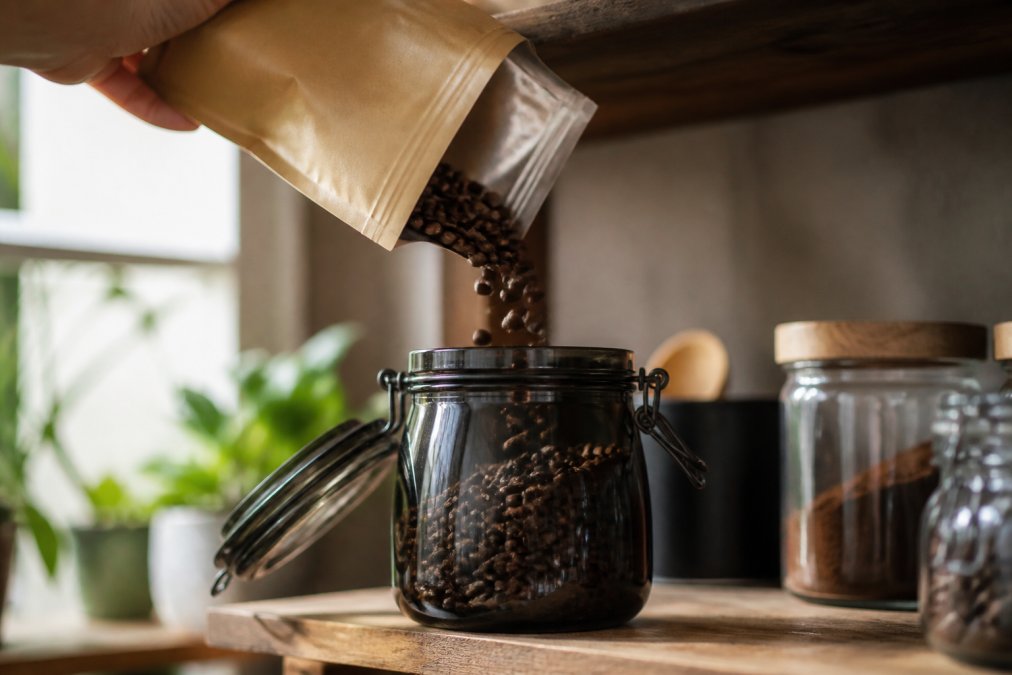
Most people who decide to buy specialty coffee beans online confuse "specialty" with "expensive." The real distinction is traceability, freshness, and roast transparency. At Christ Coffee, we've built our entire model around those three pillars. This guide breaks down everything you need to know to make an informed purchase, whether you're a seasoned home barista or someone who just wants a better morning cup.
Quick Picks:
- Best Overall (Mission-Driven): Christ Coffee - freshly roasted, ethically sourced, and every purchase fights child exploitation
- Best for Discovery: Trade Coffee - algorithm-matched selections across dozens of roasters
- Best for Exploration: Atlas Coffee Club - a new single-origin country every month
- Best for Palate Training: Angel's Cup - blind tasting format with a companion app
What to Look for When You Buy Specialty Coffee Beans Online
Specialty coffee beans must score 80 points or above on a 100-point cupping scale evaluated by a certified Q Grader, a measurable benchmark reflecting defect count, aroma, flavor profile, acidity, body, and aftertaste.
Four factors separate a purchase you'll regret from one you'll repeat: roast date visibility (any reputable roaster prints it on the bag; freshly roasted coffee is best between four days and three weeks post-roast), process method transparency (washed coffees tend toward clean acidity; natural process carries fruit-forward complexity; honey process sits between), origin specificity (single-origin coffees with farm-level detail beat vague regional blends), and ethical sourcing documentation (fair trade sets a price floor; direct trade means the roaster has a direct relationship with the producer, often paying above fair trade rates).
Single-Origin vs. Blends: Which Is Right for You?
Single-origin coffees highlight unique characteristics of one place, Ethiopian naturals often carry blueberry and jasmine notes that disappear when blended. Blends exist for consistency and balance; a good espresso roast blend stays stable across seasonal crop variations. Start with single-origin to develop your palate, then move to blends when you find a flavor profile you want daily without variation.
Whole Bean vs. Pre-Ground: The Freshness Trade-Off
Whole bean coffee stays fresh significantly longer than pre-ground because grinding dramatically increases surface area exposed to oxygen. Once ground, coffee begins losing volatile aromatic compounds within minutes. If you don't own a grinder, pre-ground is a reasonable starting point, but match the grind size to your brewer.
Why the Coffee Bean Roast Date Importance Cannot Be Overstated
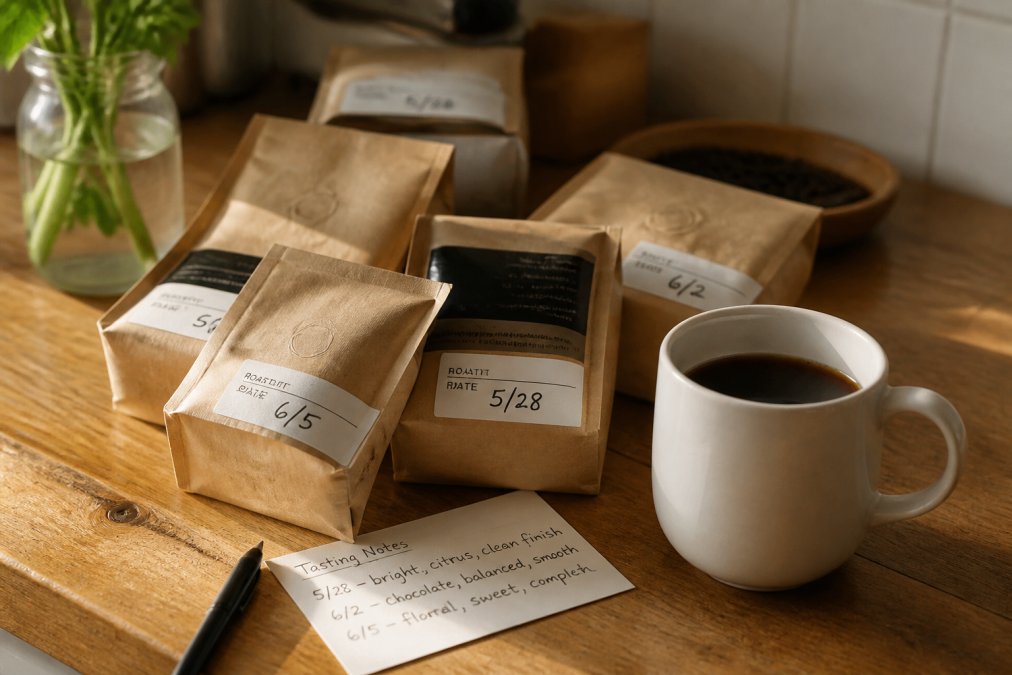
The coffee bean roast date importance is the single most underappreciated factor in home brewing. Freshly roasted coffee goes through degassing: carbon dioxide produced during roasting escapes from the bean over the first several days after roast. Brew too early and CO2 interferes with extraction, producing uneven, sour-tasting coffee. Wait too long and the beans go stale, losing aromatic complexity.
Most specialty roasters agree light and medium roasts are best between five and twenty-one days post-roast. Dark roasts can be brewed slightly sooner. A bag roasted two months ago should be passed on, regardless of origin. According to the Specialty Coffee Association's quality guidelines, proper post-harvest handling and freshness preservation are foundational to specialty grade coffee.
Roast-to-Order vs. Warehouse Stock: What the Difference Means in Your Cup
Most large-scale online retailers roast in bulk and store bags in a warehouse until an order arrives, optimizing for logistics over flavor. Roast-to-order means the roaster doesn't fire the batch until your purchase is confirmed. Christ Coffee operates on a roast-to-order model; orders typically arrive five to seven days after roasting, squarely in the optimal freshness window for most brewing methods.
Best Coffee Subscription Services Compared
The best coffee subscription services ship freshly roasted beans, give you meaningful control over delivery frequency, and are honest about origin and process.
| Service | Best For | Roast-to-Order | Ethical Sourcing Focus | Donation Component |
|---|---|---|---|---|
| Christ Coffee | Mission-driven buyers, fresh specialty beans | Yes | Yes | Yes - 100% of shipping + double donation on $65+ |
| Trade Coffee | Variety seekers, personalized matching | Varies by roaster | Varies by roaster | No |
| Atlas Coffee Club | Global exploration, single-origin learning | Varies | Varies | No |
| Angel's Cup | Palate development, blind tasting | Varies | Varies | No |
Christ Coffee: Mission-Driven, Freshly Roasted, and Ethically Sourced
Christ Coffee is the top pick in this guide. Every order is roasted to order and arrives five to seven days after roasting. One hundred percent of the $5 standard shipping charge goes directly to rescue-focused partners including Destiny Rescue, A21, Love146, and the Tim Tebow Foundation. On orders of $65 or more, the donation doubles. A quick quiz generates personalized recommendations based on your brewing equipment and flavor preferences.
Pros:
- Roasted to order, ships within days of roasting
- 100% of shipping charge supports anti-trafficking organizations
- Double donation on orders of $65+
- No-questions-asked satisfaction guarantee
Cons:
- Newer brand, established in 2023, with a smaller review base than legacy roasters
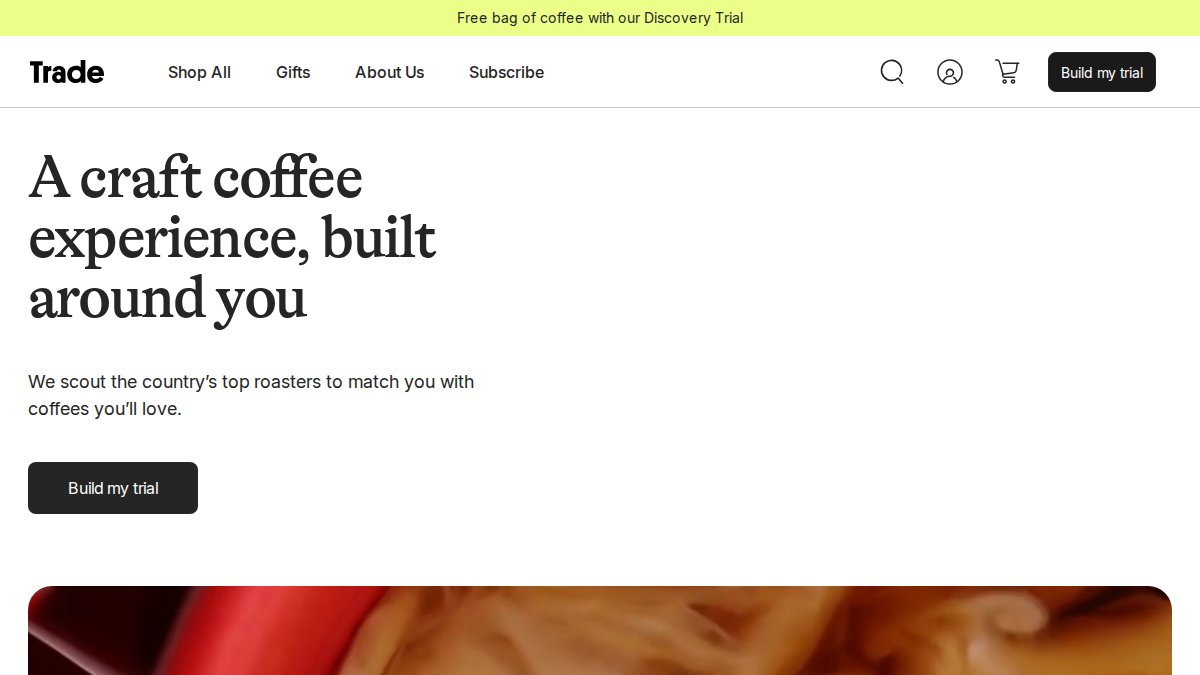
Trade Coffee: Personalized Matching Across Dozens of Roasters
Trade Coffee connects buyers with over 450 coffees from dozens of roasters across the country. A preference quiz matches you with beans from its roaster network. Subscriptions include free shipping with adjustable delivery frequency. The strength is variety; freshness depends on the individual roaster, not Trade's own roasting schedule. Pricing depends on quantity, dates, and delivery.
Pros:
- Extensive variety across dozens of roasters
- Algorithm-based matching helps surface new favorites
- Flexible delivery frequency
Cons:
- Freshness is roaster-dependent, not guaranteed
- Can be more expensive than buying directly from a single roaster
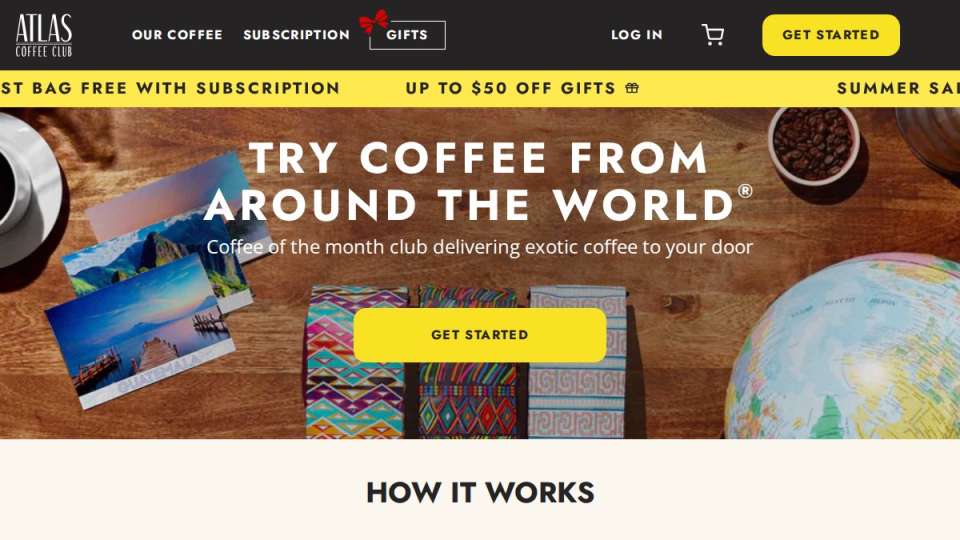
Atlas Coffee Club: A New Country Every Month
Atlas Coffee Club sends a single-origin coffee from a different country each month, paired with a postcard and tasting notes explaining the origin story and brewing recommendations. Pricing depends on quantity, dates, and delivery.
Pros:
- Genuine variety across global origins
- Educational materials included with each shipment
- Flexible bag size options
Cons:
- You don't choose the coffee each month
- Shipping fee is separate from the bag price
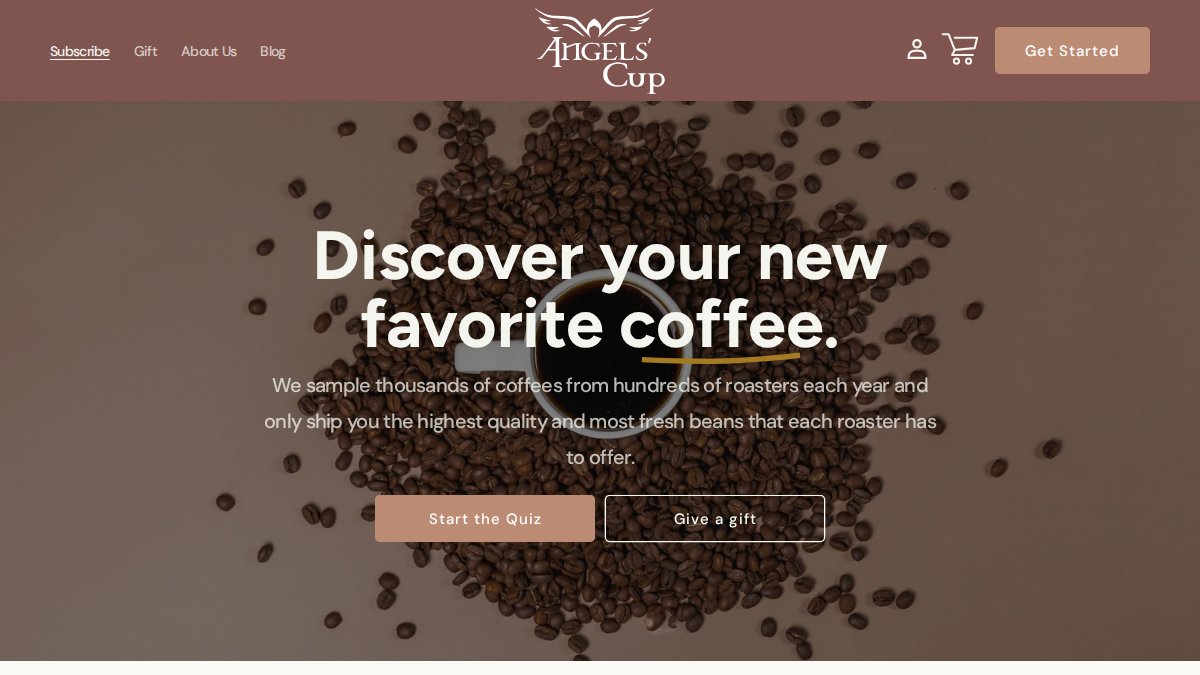
Angel's Cup: Blind Tasting for Palate Development
Angel's Cup sends coffees unlabeled. You taste, log notes in the companion app, then the origin and roaster are revealed. The format removes bias from knowing what you're drinking beforehand. Pricing depends on quantity, dates, and delivery; the app lets you compare your tasting notes against expert evaluations, accelerating palate development.
Pros:
- Unique blind tasting format removes expectation bias
- App-based note logging and expert comparison
- Exposure to many roasters
Cons:
- You have no control over what coffee arrives
- Less suited to casual drinkers who prefer predictability
How to Store Coffee Beans for Freshness After They Arrive
Proper storage preserves the freshness you paid for. The enemies of roasted coffee are oxygen, moisture, light, and heat. An airtight container kept away from direct sunlight and heat sources is the baseline.
The most common mistake is storing coffee in the refrigerator. Coffee is hygroscopic and absorbs moisture and odors from its environment. The freezer works if you buy in bulk, freeze once in an airtight, vacuum-sealed bag, but avoid repeated freeze-thaw cycles. For daily use, a ceramic or stainless steel canister with a one-way valve is the practical standard. Many specialty coffee bags already include this valve.
| Storage Method | Freshness Window | Notes |
|---|---|---|
| Original bag, sealed | Up to 2 weeks post-roast | Only if bag has one-way valve |
| Airtight canister, room temp | 2-4 weeks post-roast | Keep away from heat and light |
| Freezer, vacuum-sealed | Up to 3 months | Thaw once, do not refreeze |
| Refrigerator | Not recommended | Absorbs moisture and odors |
Equipment-Specific Bean Pairing: Matching Your Roast to Your Brewer
Your brewing equipment should influence which roast profile you buy. Pour-over and drip: Light to medium roasts perform best, benefiting from bright acidity and complex flavor notes. French press: Medium to dark roasts work well; the immersion method and metal filter allow more oils into the cup. Espresso machine: Medium-dark to dark roasts are traditional, though many specialty roasters now offer light-roast espresso options. AeroPress: Genuinely flexible; pressure and steep time are both adjustable.
Ethically Sourced and Sustainably Grown: Why It Matters When You Shop
According to the USDA's Agricultural Marketing Service guidelines on fair trade certification, fair trade certification ensures minimum price floors for producers but does not guarantee premium quality or a direct relationship between roaster and farmer. Direct trade goes further: a roaster has visited the farm, negotiated directly with the producer, and typically pays above fair trade rates in exchange for quality commitments. Sustainably grown coffee considers environmental impact: shade-grown practices, water usage in wet processing, and soil health. When evaluating ethical sourcing claims, look for specificity, farm names, certifications, and published pricing transparency.
Budget-Friendly Specialty Coffee: Getting Quality Without Overspending
Specialty grade does not automatically mean expensive. Several strategies help stretch your budget: buy subscriptions over one-time bags (most roasters offer meaningful per-bag savings), choose medium roasts (solid medium roasts from Brazil or Colombia often deliver excellent value), order at the threshold for bonus value (Christ Coffee doubles its donation impact on orders of $65 or more), and buy whole bean (pre-ground costs the same but goes stale faster). According to the Specialty Coffee Association's consumer research on home brewing trends, home brewing has grown steadily as consumers recognize that specialty-grade beans brewed at home consistently outperform cafe-quality coffee at a fraction of the cost per cup.
How to Choose the Right Specialty Coffee Beans for Your Taste
Choosing the right specialty coffee beans comes down to four variables: your flavor preferences, your brewing method, your freshness expectations, and whether the roaster's values align with yours. If you enjoy chocolate, caramel, and nutty notes, look for medium roasts from Latin American origins like Brazil, Colombia, or Guatemala. If you prefer bright, fruity, or floral complexity, Ethiopian and Kenyan coffees are reliable starting points. If you want bold and low-acid, a dark roast from Sumatra or Indonesia delivers that profile consistently. Match to your brewer using the pairing guidance above, consider freshness expectations honestly, and think about what your purchase supports.
Specialty coffee is one of the few categories where the quality ceiling for home brewing genuinely exceeds what most cafes serve, provided you start with freshly roasted beans and brew them correctly. Christ Coffee was built specifically for buyers who want freshly roasted, specialty-grade beans shipped to their door within days of roasting, with every order contributing directly to child rescue operations through partners like Destiny Rescue and A21. The satisfaction guarantee means there's no risk in trying it. Visit Christ Coffee to find your roast.
Frequently Asked Questions
What is the difference between specialty coffee and regular coffee?
Specialty coffee earns a cupping score of 80 or above on the Specialty Coffee Association's 100-point scale, meaning it meets strict standards for flavor, aroma, and defect-free green beans. Regular grocery-store coffee typically uses lower-grade arabica or robusta blends, often roasted weeks or months before you buy it. Specialty-grade beans are usually single-origin or small-batch blends, sourced through direct trade or fair trade relationships, and roasted closer to your order date for a noticeably brighter, more complex flavor profile.
How long do specialty coffee beans stay fresh after roasting?
Whole bean specialty coffee is at its best between 4 and 14 days after the roast date, when CO2 off-gassing has settled but oxidation hasn't set in. Stored in an airtight container away from light, heat, and moisture, most beans hold good flavor for up to four weeks post-roast. Pre-ground coffee degrades much faster, typically within a week. Always check the roast date printed on the bag before buying specialty coffee beans online, and avoid any seller that doesn't display one.
Is it worth buying coffee beans online versus at a grocery store?
For most home brewers, yes. Online specialty roasters ship beans within days of roasting, so you receive far fresher coffee than anything sitting on a grocery shelf. You also get access to single-origin lots, specific process methods like washed or natural process, and detailed tasting notes that help you dial in grind size and brewing equipment. The trade-off is a slightly higher price per bag and a wait for delivery, but the flavor difference compared to pre-packaged store coffee is significant.
What are the best coffee subscription services for ethical shoppers?
The best coffee subscription services for ethical shoppers combine freshness, transparency, and a clear charitable or fair trade commitment. Christ Coffee routes 100% of its standard shipping charge to anti-trafficking partners like Destiny Rescue and A21, and doubles the donation on orders over $65. Other providers offer direct trade sourcing or sustainability certifications, but few tie every single transaction to a specific rescue mission. If aligning your daily purchase with a social cause matters to you, look for roasters that publish exactly where the money goes.
Should I buy whole bean or pre-ground coffee online?
Whole bean is almost always the better choice when ordering specialty coffee beans online. Grinding immediately before brewing preserves volatile aromatic compounds that disappear within minutes of grinding. Pre-ground coffee loses much of its flavor within days, making the freshness advantage of a roast-to-order purchase far less meaningful. The only practical reason to buy pre-ground is if you don't own a grinder. If that's the case, many online roasters will grind to your specified grind size at the time of roasting, which is a reasonable compromise.
This article was written using GrandRanker