

Table of Contents
- What Makes Fresh Roasted Coffee Beans Different
- How to Store Coffee Beans for Freshness
- Benefits of Roasted to Order Coffee
- Single-Origin vs. Blends: Finding Your Flavor Profile
- Top Fresh Roasted Coffee Beans for Every Brewing Method
- Specialty Coffee Subscription Services vs. One-Time Purchases
- Decoding Roast Profiles and Tasting Notes
- Conclusion
Last Updated: August 25, 2026
What Makes Fresh Roasted Coffee Beans Different
Fresh roasted coffee beans deliver a fundamentally different experience than warehouse stock. The moment beans exit the roaster, they release CO2 and volatile compounds that create aroma and flavor (peer-reviewed research). Within days, that window closes. Most grocery store coffee has been roasted weeks or months prior, meaning you're brewing stale beans regardless of packaging.
Fresh roasted beans produce vibrant aroma, cleaner extraction, and flavor notes that fade predictably over time. Stale beans taste flat and one-dimensional by comparison. At Christ Coffee, beans are roasted from real orders rather than warehouse stock, so your bag arrives at peak freshness, typically 5-7 days after roasting.
Freshness directly impacts extraction quality, determining whether you taste intended tasting notes or a generic bitter cup. A bean roasted last week extracts cleaner acids and sweeter notes than the same bean roasted three months ago. For pour-over brewing especially, freshness becomes critical because the method exposes more surface area, amplifying both good and bad flavors.
How to Store Coffee Beans for Freshness
Proper storage extends the window where beans taste their best, but doesn't reverse degradation. Oxygen, light, heat, and moisture are the four enemies of coffee freshness.
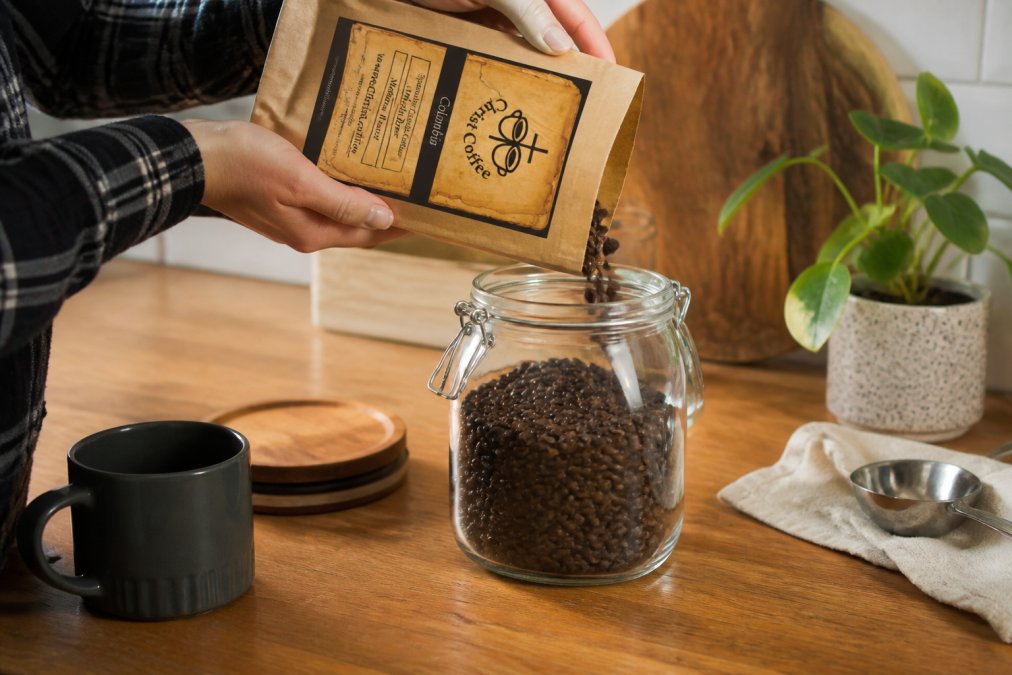
Whole beans last longer than ground coffee because grinding dramatically increases surface area, accelerating oxidation. Whole beans stay fresh for 2-4 weeks after roasting if stored properly (peer-reviewed research). Ground coffee degrades within days.
Airtight containers matter more than material. Glass, ceramic, or opaque plastic all work if they seal completely. Avoid clear containers because light degrades coffee compounds, and skip paper bags. If beans come in a bag with a one-way valve, transfer to an airtight container immediately after opening.
Temperature consistency matters more than absolute coldness. A pantry at 60-70°F works better than a refrigerator that fluctuates. Avoid direct sunlight and heat sources. Freezing whole beans is debated among professionals, some argue it preserves freshness for months; others say temperature cycling damages beans when they thaw. Proper room-temperature storage beats freezing for beans you'll use within a month.
Label containers with the roast date. This practice transforms how you approach your morning brew, letting you make informed decisions about brewing method based on bean age.
Benefits of Roasted to Order Coffee
Roasting to order eliminates the inventory problem plaguing the coffee industry. Traditional roasters build stock based on predicted demand; roasted-to-order models flip this by roasting only what's been purchased. The result is fresher coffee arriving at your door every time.
This model reduces waste. Traditional roasters must discard beans that don't sell before becoming too stale. Roasted-to-order operations roast only what's purchased, so nearly every bean reaches customers while in the optimal flavor window.
When roasters work with smaller batches and specific orders, they track origin more precisely and maintain relationships with specific farmer cooperatives. Christ Coffee's approach emphasizes traceability, allowing customers to know exactly which farms their beans came from and how those farms operate.

Beans roasted last week arrive fresher than beans roasted two months ago, even with identical transit time. A typical roasted-to-order shipment arrives 5-7 days after roasting, hitting the sweet spot where degassing completes and flavor locks in.
Cost structure shifts slightly with roasted-to-order models. You pay for roasting service as part of your purchase rather than absorbing warehouse storage costs. For most customers, this translates to comparable or better pricing than pre-roasted stock from specialty retailers.
Single-Origin vs. Blends: Finding Your Flavor Profile
Single-origin coffees come from one specific farm, region, or country. Blends combine beans from multiple origins. The choice affects flavor profile, consistency, and brewing approach.
Single-origin beans showcase terroir, environmental factors that shape flavor. An Ethiopian coffee tastes different from a Colombian coffee because of altitude, rainfall, soil composition, and processing methods. Single-origins are ideal if you want to explore how geography shapes coffee or if you're using brewing methods that highlight subtle tasting notes, like pour-over.
The tradeoff: single-origins vary by harvest, which can frustrate people wanting consistency. They also cost more because they're smaller-batch and require precise sourcing.
Blends combine beans to achieve flavor consistency and balance. A blend might pair a bright, acidic bean with a full-bodied, low-acid bean to create something smooth and approachable. Blends are forgiving in brewing because they're designed to taste good across different methods and more consistent year to year.
For everyday drinking, blends make sense. For exploration and tasting notes, single-origins reward attention. Christ Coffee offers both options, with single-origins like Ethiopia and Colombia available alongside house blends like Jesus' Java and New Morning Mercies.
Top Fresh Roasted Coffee Beans for Every Brewing Method
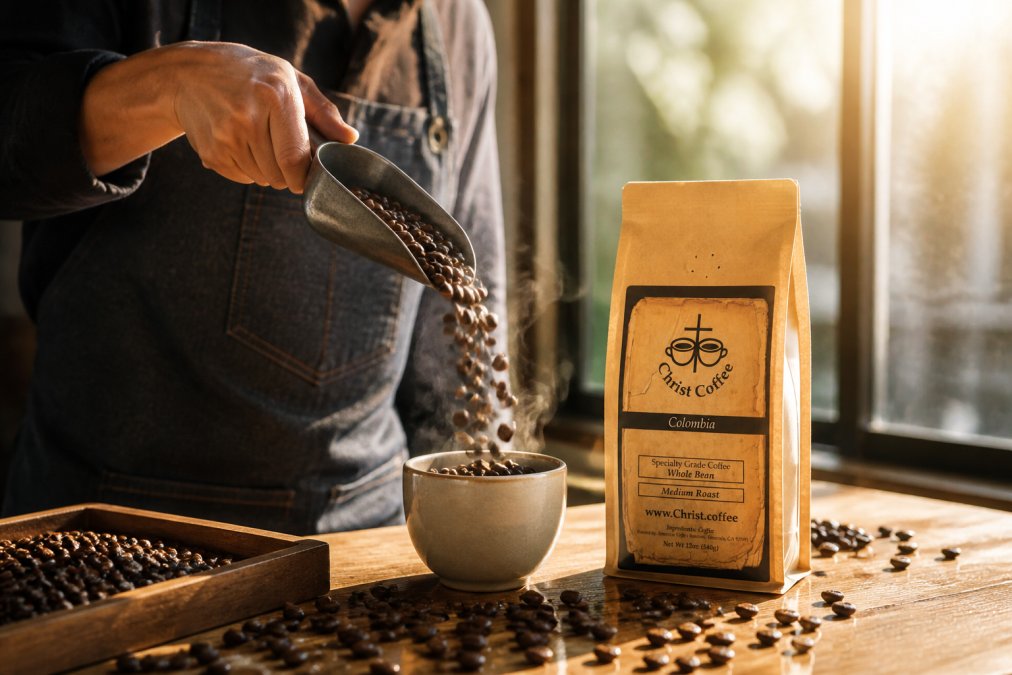
Ethiopia: Bright Acidity and Floral Notes
Ethiopia produces distinctive coffees, and Christ Coffee's Ethiopia single-origin delivers the brightness this origin is known for. The flavor profile includes molasses, cardamom, and floral undertones, with a creamy body balancing bright acidity.

This bean works exceptionally well in pour-over brewing, where the method emphasizes acidity and clarity. For French press, use a medium grind and shorter steep time (3-4 minutes) to preserve delicate notes.
Ethiopia at $29.99 represents the single-origin entry point. It's shade-grown and handpicked by smallholder cooperatives using natural, eco-friendly methods, with a medium roast profile preserving the bean's natural sweetness.
Colombia: Balanced Medium Roast
Colombia's reputation rests on balance. Christ Coffee's Colombia, grown in Tolima hills by farmer groups committed to sustainable practices, offers medium acidity, smooth body, and notes of chocolate and peach.
The balanced profile makes Colombia forgiving across brewing methods. Espresso pulls clean shots with sweet chocolate notes. Pour-over highlights peach undertones. French press creates a full, rounded cup. Even automatic drip produces respectable results.
Shade-grown on farms using water-saving mills and natural methods, Colombia delivers environmental credentials alongside flavor. At $29.99, it appeals to people prioritizing balance over brightness.
Bali Blue: Full-Bodied Dark Roast
Bali Blue represents the dark roast category, delivering full-bodied, low-acidity profile that dark roast enthusiasts seek. Grown in volcanic highlands by small family cooperatives, this bean offers dark chocolate, brown sugar, and tropical fruit notes.
Dark roasts work beautifully in espresso machines, where low acidity prevents sourness. French press extracts full body without over-extracting acidity. Automatic drip produces bold, smooth cups suitable for people adding milk or cream.
The low acidity makes Bali Blue accessible to people with sensitive stomachs. At $29.99, it matches other single-origins while offering a completely different flavor experience.
Jesus' Java: Approachable Medium Blend
Jesus' Java is Christ Coffee's signature medium house blend from premium Central and South American beans. The flavor profile emphasizes balance and smoothness with zero harsh edges.
This blend works across all brewing methods without complaint. Espresso shots taste clean and sweet. Pour-over highlights the balanced profile. French press creates a full, approachable cup. Automatic drip produces consistent results. The versatility makes Jesus' Java ideal for everyday drinking and sharing with guests.
At $25.99, Jesus' Java costs less than single-origins while using premium beans, positioning it as the everyday option.
Strong & Courageous: Dark Italian Roast
Strong & Courageous is Christ Coffee's darkest roast, blended from specialty-grade Arabica and Robusta beans, then slow-roasted for intensity. The profile delivers rich, bold flavor with a perfectly smooth finish.
This choice suits people wanting coffee that announces itself. Espresso shots pull with syrupy body and chocolate-forward notes. French press creates a heavy, full cup. The Robusta component adds body and crema that pure Arabica blends can't match.
At $25.99, Strong & Courageous matches Jesus' Java in price while delivering a completely different experience.
Specialty Coffee Subscription Services vs. One-Time Purchases
Subscription models and one-time purchases serve different needs.
One-time purchases work best if you're inconsistent with brewing or want to try different beans before committing. No obligation, no cancellation hassle. The downside is losing the freshness advantage if you wait too long between orders.
Subscription services guarantee fresh beans arrive on your schedule. Monthly shipments ensure you never run out and always have beans within the optimal flavor window. Christ Coffee's subscription model allows setting frequency and adjusting selections based on preferences.
Subscription pricing typically offers better value than one-time purchases. Christ Coffee's model includes a meaningful donation component, where 100% of the $5 standard shipping charge supports rescue-focused partners like Destiny Rescue and A21. Orders over $65 trigger a double donation impact. The model allows skipping months or changing selections without penalties, removing the main barrier to subscribing.
| Purchase Model | Best For | Freshness Guarantee | Price Advantage | Flexibility |
|---|---|---|---|---|
| One-Time Purchase | Exploring varieties, inconsistent brewing | No | None | Complete |
| Monthly Subscription | Regular brewing, consistent freshness | Yes | Flexible (skip/change anytime) | |
| Quarterly Subscription | Budget-conscious drinkers | Moderate | Flexible |
Decoding Roast Profiles and Tasting Notes
Roast profiles determine flavor more than any other factor. Light roasts preserve origin characteristics and highlight acidity. Medium roasts balance origin flavors with roasting notes. Dark roasts emphasize roasting flavors and reduce perceived acidity.
Understanding roast profiles helps match beans to brewing methods. Light roasts work best in pour-over or cupping. Medium roasts are forgiving across methods. Dark roasts excel in espresso and French press.
Tasting notes describe flavors you should detect when brewing properly. An Ethiopian coffee with "molasses, cardamom, and floral" notes means you should taste molasses sweetness, spice quality reminiscent of cardamom, and floral aromatics. These aren't added flavors; they're naturally present compounds emerging during roasting and brewing.
The roast date affects how tasting notes present. Immediately after roasting, beans release CO2 aggressively, interfering with extraction and muting flavors. This degassing period typically lasts 3-5 days depending on roast profile (peer-reviewed research). Dark roasts degas faster than light roasts. After degassing completes, tasting notes emerge clearly. Roasted-to-order models work well because beans arrive right when degassing finishes and flavors lock in.
Bean density and processing method influence tasting notes. Washed-process coffees taste cleaner and brighter. Natural-process coffees taste fruitier. Honey-process coffees offer brightness with fruit notes. Christ Coffee's single-origins use different processing methods, which is why Ethiopia tastes so different from Bali Blue.

Understanding acidity, body, and mouthfeel completes the tasting picture. Acidity refers to brightness or tartness, not pH level. Body describes thickness on your palate. Mouthfeel encompasses texture. A light roast typically has high acidity and light body. A dark roast has low acidity and full body. Medium roasts balance all three.
Choosing fresh roasted coffee beans means understanding what makes freshness matter, how to preserve it, and which beans suit your brewing style. Christ Coffee's roasted-to-order model removes guesswork by guaranteeing beans arrive at peak freshness with specific tasting notes locked in. Whether you prefer the brightness of Ethiopia, the balance of Colombia, the boldness of Bali Blue, or the approachability of Jesus' Java, fresh beans brewed thoughtfully produce coffee that tastes like coffee should taste. Start with a single-origin to explore how terroir shapes flavor, then explore blends if you want consistency across brewing methods. Your morning ritual deserves beans roasted for your cup, not for warehouse stock.
Frequently Asked Questions
Q: What makes fresh roasted coffee beans better than grocery store coffee?
A: Fresh roasted coffee beans are roasted to order within days of shipment, preserving volatile compounds that create flavor and aroma. Grocery store coffee sits in warehouses for weeks or months, losing acidity, body, and tasting notes. Specialty-grade beans also come from single origins or carefully curated blends with documented tasting profiles, not commodity blends. The roast date on fresh roasted beans tells you exactly when they were roasted; grocery coffee rarely displays this information.
Q: How long do fresh roasted coffee beans stay fresh after roasting?
A: Fresh roasted coffee beans peak in flavor 5-14 days after roasting, depending on roast level. Light roasts develop their full brightness around day 7-10, while dark roasts reach peak smoothness by day 5-7. After 30 days, whole beans begin losing brightness and complexity. Stored properly in an airtight container away from light and heat, they remain drinkable for 4-6 weeks but taste best within the first 2-3 weeks. Ground coffee degrades faster, use within 1-2 weeks of grinding.
Q: What is the difference between single-origin and blend coffees?
A: Single-origin coffee comes from one specific farm, region, or country and expresses that terroir's unique flavor profile. Ethiopia produces bright, floral notes; Colombia delivers chocolate and peach; Bali offers chocolate and brown sugar. Blends combine beans from multiple origins to create balance, consistency, and broader appeal. Single-origins suit specialty brewers who appreciate nuance; blends work for everyday drinking and forgiving brewing methods. Both can be specialty-grade; the difference is complexity versus consistency.
Q: Why does roast date matter more than best-by dates on fresh roasted coffee beans?
A: Roast date tells you the actual age of the beans and helps you brew them at peak flavor. Best-by dates are generic estimates that don't account for your storage conditions or brewing method. A bag roasted 7 days ago is fresher and brighter than one roasted 30 days ago, even if both technically have the same best-by date. Roast date lets you time your purchase to your preferred flavor window, earlier for light roasts, later for dark roasts, rather than guessing based on an arbitrary expiration.
This article was written using GrandRanker