

Table of Contents
- What Makes Coffee Ethical?
- Understanding Fair Trade vs. Direct Trade Coffee
- Best Coffee Subscriptions for Social Impact
- How to Identify Sustainable Coffee Labels
- The Impact of Coffee Farming on Local Communities
- Brewing Methods That Maximize Quality and Efficiency
- Why Small-Batch Roasting Matters for Ethical Coffee
- Conclusion
Last Updated: August 26, 2026
What Makes Coffee Ethical?
Ethical coffee ensures that every step from farmer to cup respects people and the planet. It supports farming practices that protect ecosystems, pay workers fairly, and fight exploitation. According to the International Labour Organization's research on agricultural labor, smallholder coffee farmers often earn less than $2 per day despite global coffee sales exceeding $100 billion annually. Ethical coffee brands close that gap through direct relationships, transparent pricing, and verifiable supply chains.
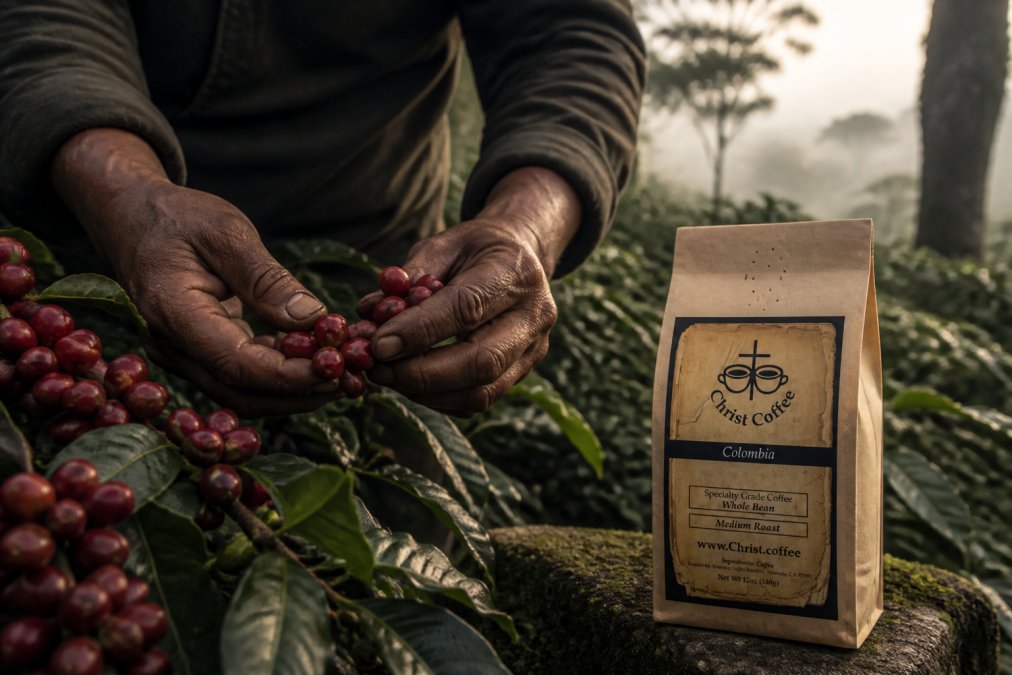
At Christ Coffee, every bag is roasted to order from beans sourced through direct relationships with farming communities. 100% of the $5 standard shipping charge supports rescue-focused partners like Destiny Rescue and A21, creating a direct link between your morning ritual and real-world impact against child exploitation.
Understanding Fair Trade vs. Direct Trade Coffee
Fair Trade certification operates through a structured system where certified cooperatives meet specific standards for wages, working conditions, and environmental practices. Fair Trade organizations set a guaranteed minimum price, protecting farmers from market volatility. However, certification fees and bureaucratic overhead sometimes burden smaller farms.
Direct Trade cuts out middlemen entirely. Roasters work directly with farmers or small cooperatives, negotiating prices based on quality and relationship. This model often results in higher payments to farmers because there's no certification overhead, and roasters understand their supply chain intimately.
The key difference: Fair Trade guarantees a minimum price through certification. Direct Trade prioritizes higher prices through direct relationships. Many specialty roasters blend both approaches depending on the origin and farmer situation.
Best Coffee Subscriptions for Social Impact
Colombia: Shade-Grown Single Origin
Colombia's coffee-growing regions sit in ideal altitude zones where shade-grown farming thrives. Christ Coffee's Colombia offering sources from innovative farmer groups in Tolima who prioritize water conservation and biodiversity. The result is a balanced cup with medium acidity, smooth body, and notes of chocolate and peach.

Shade-grown coffee protects farmer income by diversifying crops. Native trees provide additional harvests, create wildlife habitat, and build soil health over time. The Colombia single origin from Christ Coffee is priced at $29.99 per bag and available ground or whole bean. Every purchase contributes directly to the fight against child exploitation through the shipping donation model.
Best for: Home brewers seeking balanced, approachable single-origin coffee with transparent sourcing and direct social impact.
Ethiopia: Smallholder Cooperative Coffee
Ethiopia is the birthplace of coffee. Christ Coffee's Ethiopian offering is shade-grown and handpicked by smallholder cooperatives using natural, eco-friendly methods. The cup profile delivers bright acidity, creamy body, and naturally sweet notes of molasses, cardamom, and floral undertones.
Smallholder cooperatives represent one of the most effective models for ethical coffee production. By pooling resources, small farmers gain negotiating power, access to quality certifications, and stability that individual farms cannot achieve alone. The Ethiopia single origin costs $29.99 and arrives roasted fresh in small batches.

Best for: Coffee enthusiasts who appreciate bright, complex flavor profiles and want to support cooperative-based farming models.
Bali Blue: Volcanic Highlands Excellence
Bali's volcanic soil creates distinct coffee characteristics. Christ Coffee's Bali Blue grows in the island's highlands through small family cooperatives using natural, eco-friendly methods. The result is full-bodied, low acidity coffee with dark chocolate, brown sugar, and subtle tropical fruit notes.
Volcanic terroir produces coffee with lower acidity and heavier body than other origins. Bali Blue's farming structure through family cooperatives means decisions stay local and profits remain in farming communities. The Bali Blue single origin is $29.99 per bag and versatile for hot or iced brewing.

Best for: Home brewers preferring full-bodied, lower-acid coffee and wanting to support family-based cooperative farming.
Delightful Decaf: Swiss Water Processed
Delightful Decaf uses the Swiss Water process, a chemical-free decaffeination method that preserves coffee's natural character while removing caffeine. Sourced from high-altitude Peru, this decaf delivers delicate notes and refined finish.
The Swiss Water process avoids chemical solvents used in conventional decaffeination, making it safer for workers and the environment. The Delightful Decaf costs $26.99 and performs well in most brewing methods.
Best for: Home brewers seeking quality decaf without chemical processing, or those who want afternoon coffee without sleep disruption.
| Origin | Price | Flavor Profile | Best For | Processing |
|---|---|---|---|---|
| Colombia | $29.99 | Medium acidity, chocolate & peach | Balanced, approachable | Shade-grown, water-saving mills |
| Ethiopia | $29.99 | Bright acidity, molasses & floral | Complex, nuanced | Natural processing, cooperatives |
| Bali Blue | $29.99 | Full body, dark chocolate & fruit | Smooth, comforting | Volcanic terroir, shade-grown |
| Delightful Decaf | $26.99 | Delicate, refined | Caffeine-free quality | Swiss Water process |
For the best value across multiple origins, Christ Coffee offers the Single Origin Saving Blend Bundle at $76.49, including Colombia, Ethiopia, and Bali Blue together. On orders over $65, donations to rescue-focused partners double.
How to Identify Sustainable Coffee Labels
Reading coffee labels requires understanding what certifications actually mean. The best ethical coffee for home brewing comes from roasters transparent about their sourcing.
Shade-Grown Certification indicates coffee grown under native tree canopy rather than in sun-exposed monoculture. This practice protects bird habitat, builds soil health, and increases farm resilience. Look for specific shade-grown claims rather than vague "environmentally friendly" language.
Organic Certification means the farm avoids synthetic pesticides and fertilizers. For coffee, this matters because conventional farming often relies on chemicals that harm workers and ecosystems. However, organic doesn't automatically mean fair wages or good working conditions.
Single-Origin Designation tells you the coffee comes from a specific region, farm, or cooperative rather than a blend. Single-origin coffees allow traceability and typically offer more transparency than blends.
Roast Date matters significantly. Coffee peaks in flavor 5-14 days after roasting (peer-reviewed research). If a bag doesn't display a roast date, the coffee is likely old warehouse stock. Roasters committed to quality always print roast dates prominently.
Cupping Scores represent professional quality evaluation on a 100-point scale. Scores above 85 indicate specialty-grade coffee. These scores provide objective quality benchmarks beyond marketing language.
The most reliable indicator of ethical commitment is transparency. Roasters who publish their sourcing practices, name specific farms or cooperatives, and explain their certification choices demonstrate genuine accountability.
The Impact of Coffee Farming on Local Communities
Coffee farming shapes entire regional economies. Smallholder farmers, those operating farms under 10 hectares, produce roughly 80% of global coffee (fao.org). These farmers often face extreme price volatility because they sell into commodity markets where prices fluctuate based on global supply and speculation.
Ethical sourcing models interrupt this cycle by establishing direct relationships and guaranteed pricing. When roasters work directly with cooperatives or commit to Fair Trade premiums, farmers gain income stability. This stability enables investment in farm improvements, education, and basic infrastructure.
Coffee-growing regions often lack basic services, healthcare, education, and reliable transportation. When farmers earn living wages through ethical sourcing, communities gain resources for schools, clinics, and infrastructure. Cooperatives frequently pool resources to fund community projects that individual farms couldn't afford alone.
Environmental stewardship directly affects community resilience. Shade-grown farming protects water sources that communities depend on. Organic practices prevent soil degradation and chemical contamination. Your purchase directly supports farming families and strengthens community infrastructure.
Brewing Methods That Maximize Quality and Efficiency
Pour-Over Brewing gives you precise control over water temperature, pour rate, and contact time. This method excels with single-origin coffees where you want to highlight specific flavor characteristics. Use a 1:16 coffee-to-water ratio and steep for 3-4 minutes.
French Press Brewing creates full-bodied coffee through immersion extraction. The metal mesh filter allows coffee oils to remain in the cup. Use a 1:15 ratio and steep for 4 minutes. This method is efficient with minimal waste and straightforward cleanup.
Espresso-Based Methods concentrate flavor into smaller volumes. These methods work well for origins with complex flavor profiles because pressure and heat intensify characteristics.
Cold Brew requires patience but delivers smooth, low-acid coffee perfect for iced drinks. Use a 1:4 or 1:5 coffee-to-water ratio steeped for 12-24 hours. This method works beautifully with any origin and produces concentrate that lasts a week refrigerated.
Why Small-Batch Roasting Matters for Ethical Coffee
Small-batch roasting represents a fundamentally different approach than industrial roasting. Small-batch roasters work with smaller quantities, typically 5-25 pounds per batch, allowing precise control over every roast.
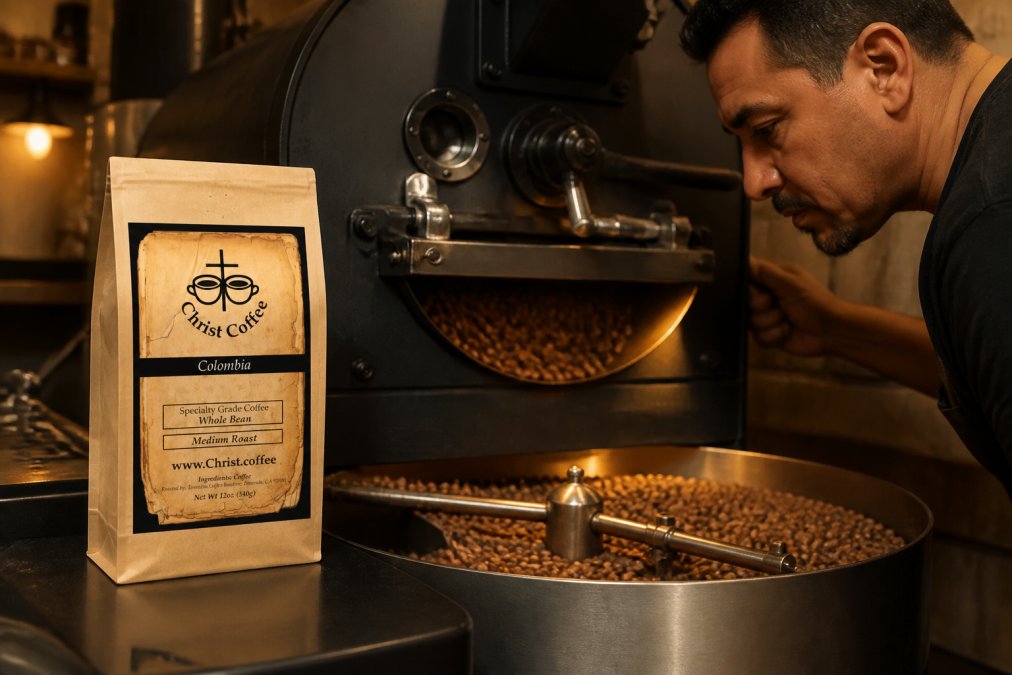
Small-batch roasting enables roasters to source directly from specific farms and cooperatives. When a roaster works with small batches, they can establish relationships with individual suppliers and adjust purchasing based on quality and ethical alignment.
Freshness represents another critical advantage. Small-batch roasters typically roast to order rather than maintaining warehouse stock. Christ Coffee exemplifies this approach, beans are roasted after you order. Coffee reaches peak flavor 5-14 days after roasting, so roasting to order ensures you receive coffee at its optimal window.
Small-batch roasting also uses less energy per pound than industrial facilities and often sources locally when possible. For the consumer, small-batch roasting means you're supporting a business model that prioritizes quality and relationships over volume.
Conclusion
Choosing the best ethical coffee for home brewing means understanding the systems behind your cup. Fair Trade and Direct Trade models, shade-grown practices, smallholder cooperatives, and small-batch roasting all contribute to coffee that tastes better while supporting communities and ecosystems.
The options from Christ Coffee demonstrate what ethical sourcing looks like in practice. Colombia's shade-grown farms, Ethiopia's smallholder cooperatives, and Bali Blue's volcanic highlands each represent different pathways to ethical production. The Single Origin Saving Blend Bundle at $76.49 lets you experience multiple origins while maximizing impact, donations double on orders over $65.
What distinguishes Christ Coffee extends beyond sourcing. Roasting to order ensures freshness. 100% of the $5 standard shipping charge supports rescue-focused partners fighting child exploitation. When you brew Christ Coffee, you're participating in a system designed around both quality and purpose. Shop now and experience how ethical coffee can transform your morning ritual into meaningful action.
Frequently Asked Questions
What makes coffee truly ethical?
Ethical coffee prioritizes fair compensation for farmers, environmental stewardship, and transparency in the supply chain. Look for shade-grown practices that protect biodiversity, direct relationships between roasters and farmers, organic certification, and third-party verification. Ethical brands often support smallholder cooperatives and reinvest profits into community development. The key is verifying that farmers receive living wages, land is managed sustainably, and the entire supply chain, from farm to cup, operates with accountability.
How does direct trade differ from Fair Trade certification?
Direct trade eliminates middlemen by establishing direct relationships between roasters and farmers, typically resulting in higher prices paid to producers. Fair Trade certification is a third-party standard ensuring minimum prices and labor standards, but farmers may not know the roaster. Direct trade offers greater transparency and often higher farmer premiums, while Fair Trade provides independent verification and market access for smaller producers. Both prioritize ethical sourcing, but direct trade emphasizes personal relationships and traceability.
What should I look for on a coffee label to ensure it's ethical?
Check for single-origin sourcing, roast date (fresh roasting is a sign of quality and care), shade-grown or organic certification, and the farmer's name or cooperative when possible. Look for certifications like Fair Trade, Rainforest Alliance, or bird-friendly designations. Transparency about the supply chain, farmer compensation, and mission impact indicates genuine ethical commitment. Avoid vague terms like 'sustainably sourced' without supporting details. Specialty coffee roasters typically provide detailed sourcing information and tasting notes, reflecting their dedication to quality and ethics.
Is Fair Trade certification the only way to identify ethical coffee?
No. While Fair Trade is a recognized standard, direct trade, organic certification, and regenerative agriculture practices also ensure ethical sourcing. Some roasters bypass certification to build direct relationships with farmers and offer higher premiums. Research the roaster's transparency, community partnerships, and commitment to living wages. Mission-driven brands often publish detailed sourcing reports and support anti-trafficking organizations. The best approach is to evaluate multiple factors: certifications, transparency, farmer relationships, and the roaster's demonstrated social impact.
Why does small-batch roasting matter for ethical coffee?
Small-batch roasting ensures peak freshness and flavor, honoring the farmers' care and the coffee's quality. Roasting to order, rather than stockpiling, reduces waste and allows roasters to maintain close relationships with suppliers. It also enables traceability and accountability throughout the supply chain. Specialty roasters who batch-roast typically invest more in sourcing, pay higher farmer premiums, and prioritize sustainability. This approach reflects a commitment to quality, environmental responsibility, and fair compensation that defines truly ethical coffee.
This article was written using GrandRanker